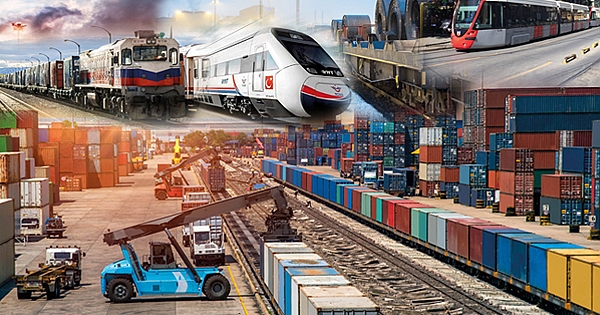

The economy of Gelibolu is based on agriculture, tourism, fisheries, and logistics. In particular, the commissioning of the 1915 Canakkale Bridge and the completion of modern logistics investments such as the new ferry terminal in the district have transformed the region into a trade and transit center.
Wheat, barley, sunflower, and canola are the main agricultural products. Dry legume production also holds an important place in the district's economy. Cattle and sheep farming support agricultural income.
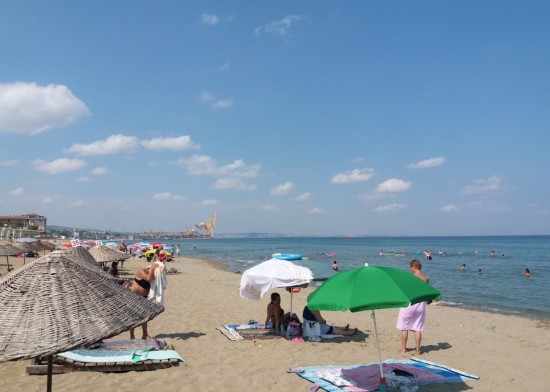
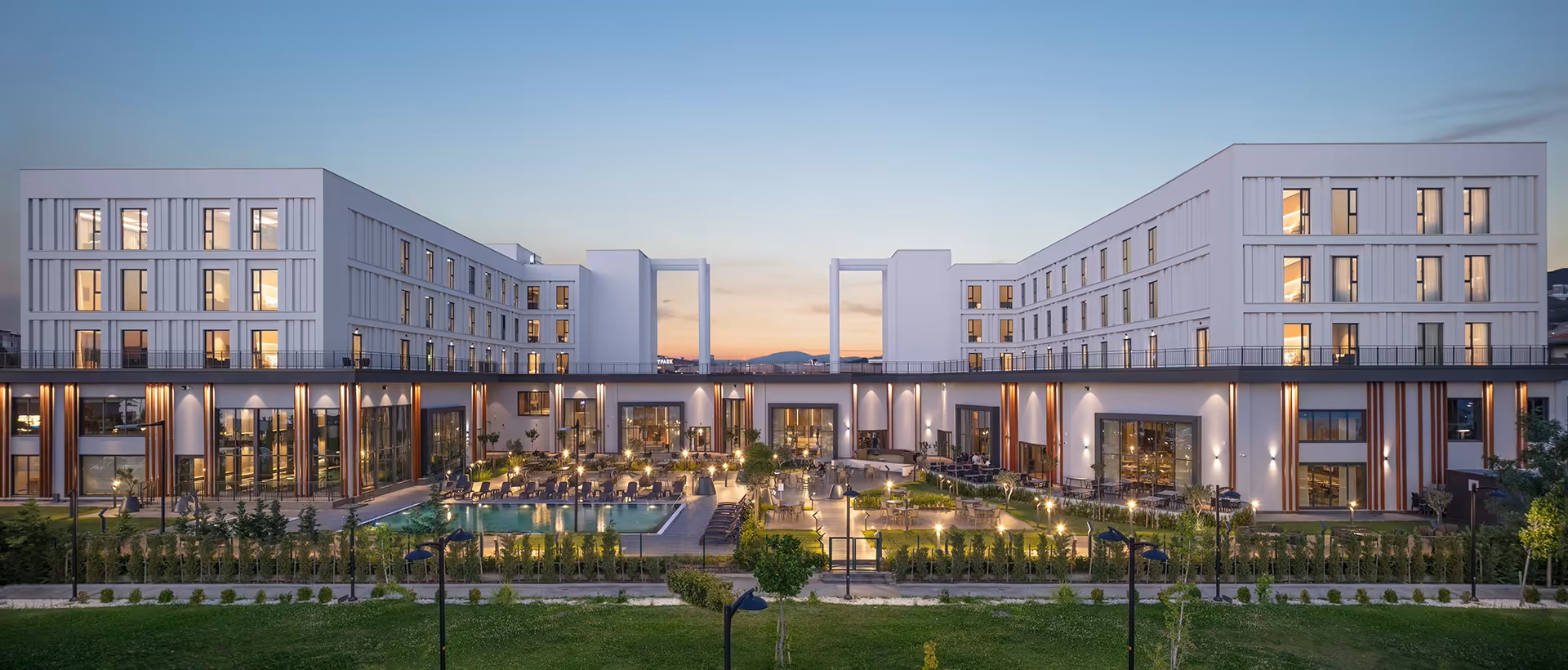
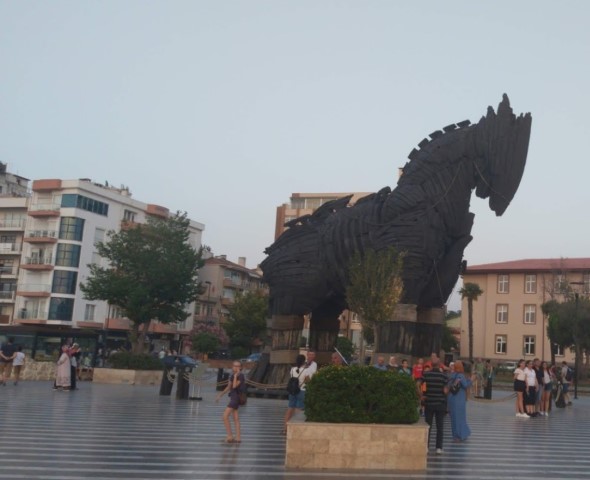
The Gallipoli Peninsula Historical National Park provides a significant influx of domestic and foreign tourists to the district. Visits to the Martyrs' Memorials, cultural and historical tourism are among the biggest sources of income for local businesses. The region's potential for sea and nature tourism is steadily increasing.
Thanks to the ecosystem created by the Bosphorus, fishing is highly developed. Sardine kebab, lakerda (cured fish), and salted fish produced in the district are the region's brand values.
Heavy industry is underdeveloped, and the economy is largely based on agriculture, trade, and the service sector. The ease of transportation created by the 1915 Canakkale Bridge is attracting new investments to the district. The modern ferry terminal opened by GESTAS has reduced transportation costs.