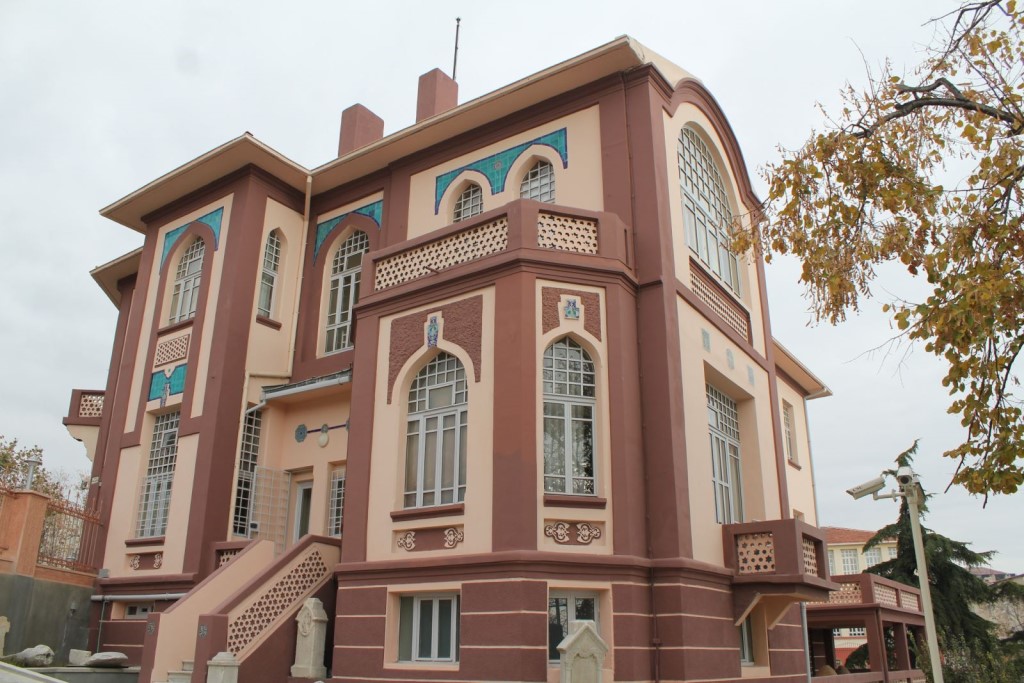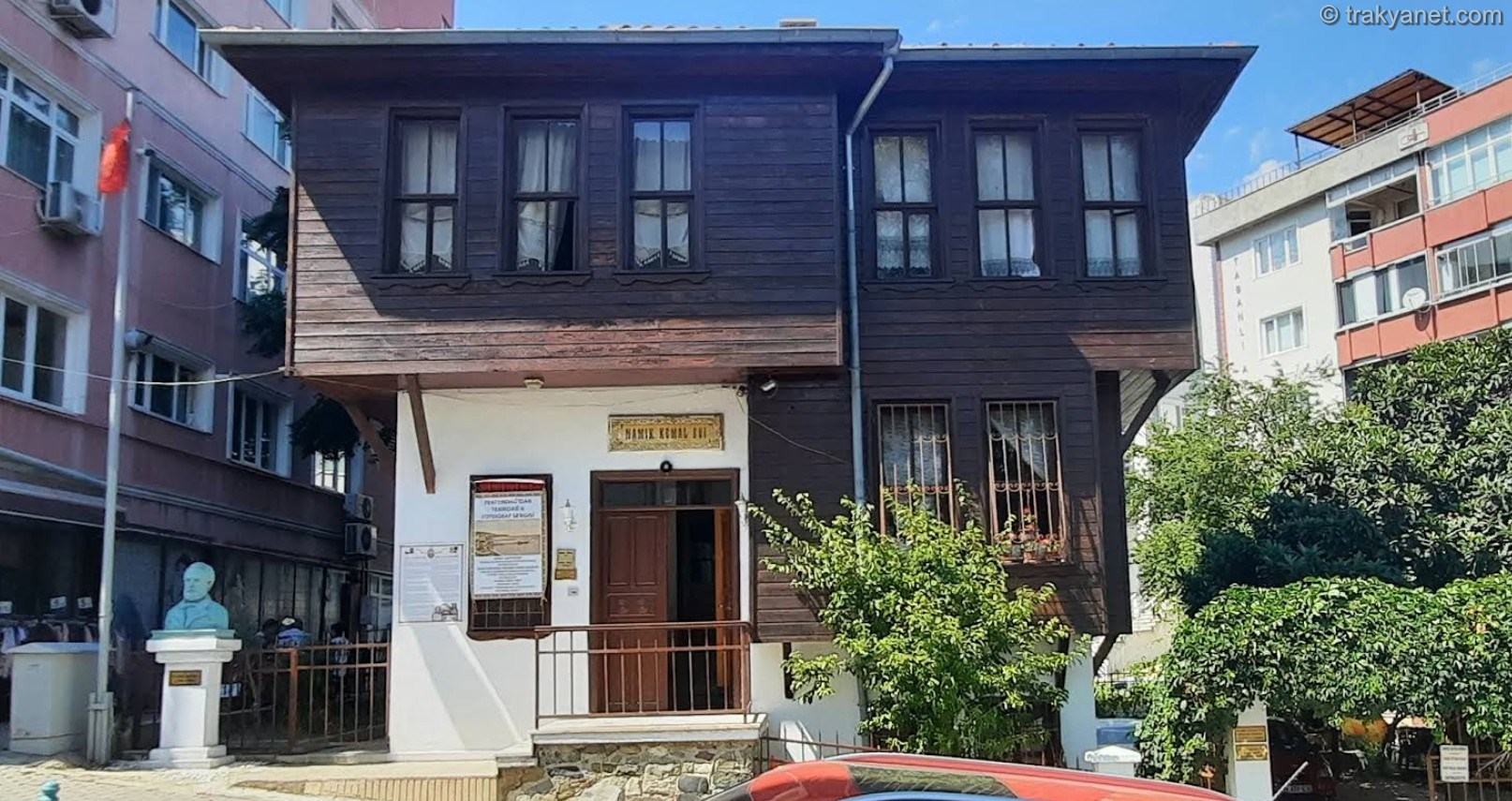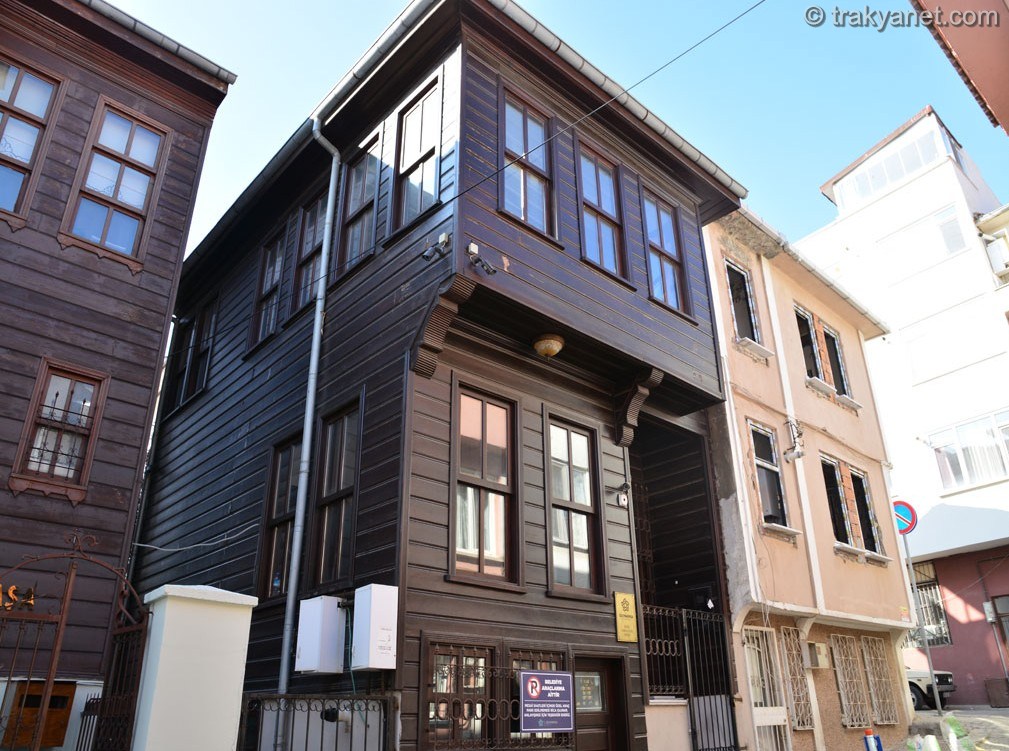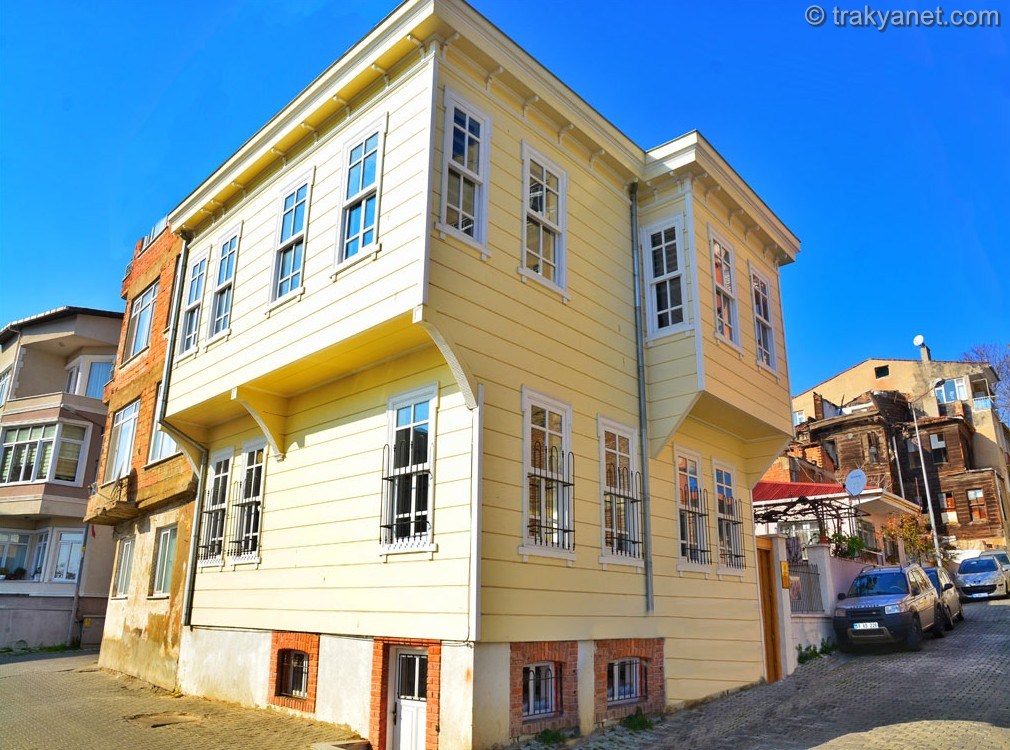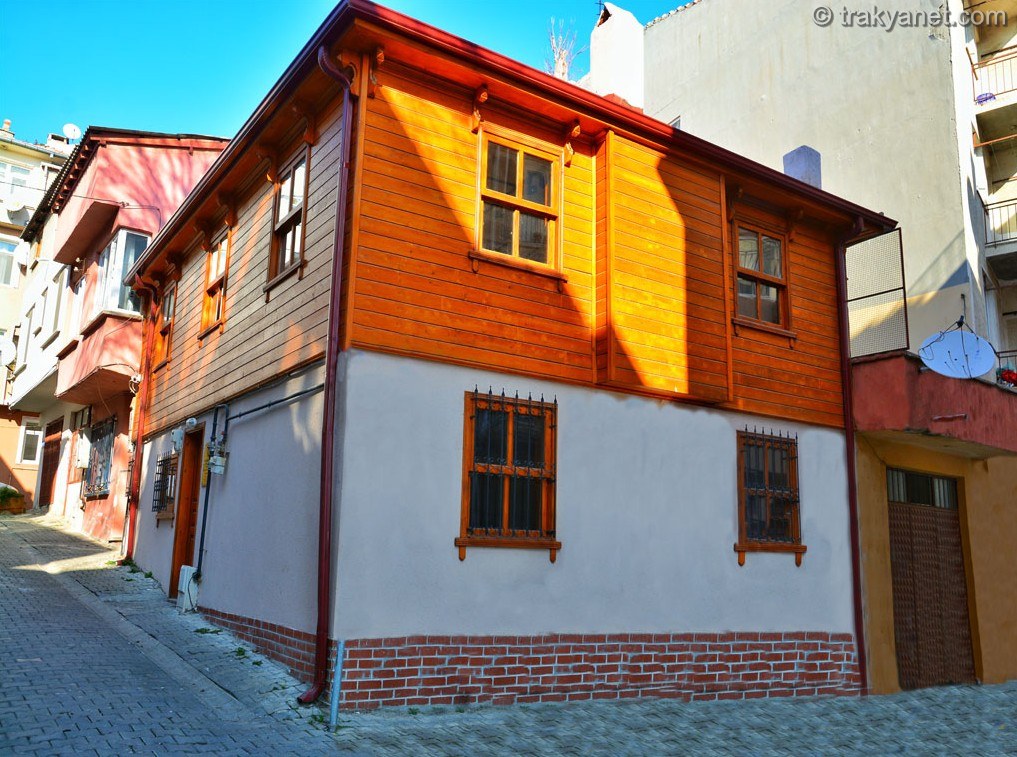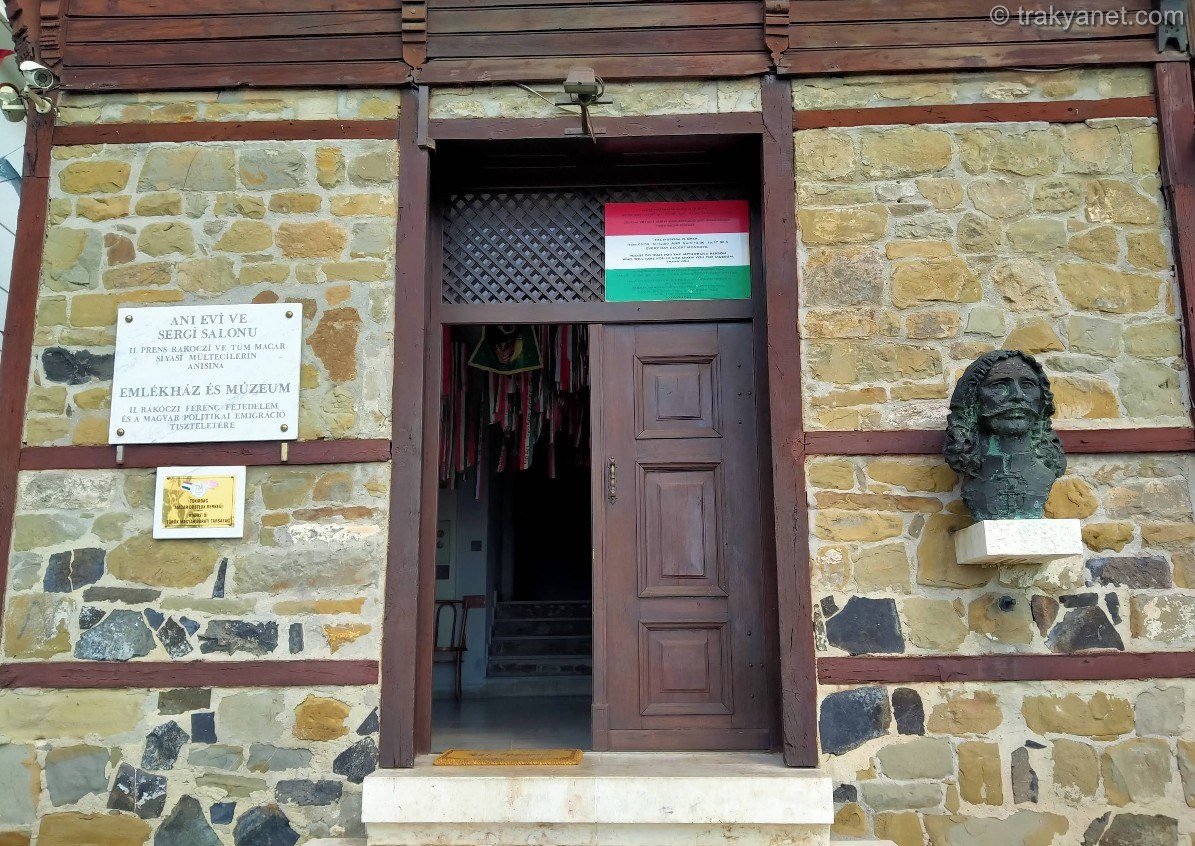




Prince Ferenc Rákóczi II of Hungary lived in the house at number 32 on Barbaros Street in Ertugrul neighborhood for 15 years between 1720 and 1735. This house was purchased by the Hungarian government in 1932 and converted into a museum.
The Rákóczi family in Hungary was one of the wealthiest landowners in the early 17th century. Three members of this family ascended to the throne of Transylvania under Ottoman protection. Ferenc Rákóczi (1676–1735) led the Hungarian uprising against the Austrians. Meanwhile, he was elected Prince of Transylvania in 1704 and later declared ruler in 1705. However, he was unsuccessful in the war of independence against Austria, which had occupied Hungary. After living for a time in Poland and France, Ferenc Rákóczi II sought refuge with the Ottomans in 1717 and lived safely in a house in Tekirdag, purchased for him by Sultan Ahmed III, until his death.
'My aim is to ensure that my country regains complete happiness in a short time.'
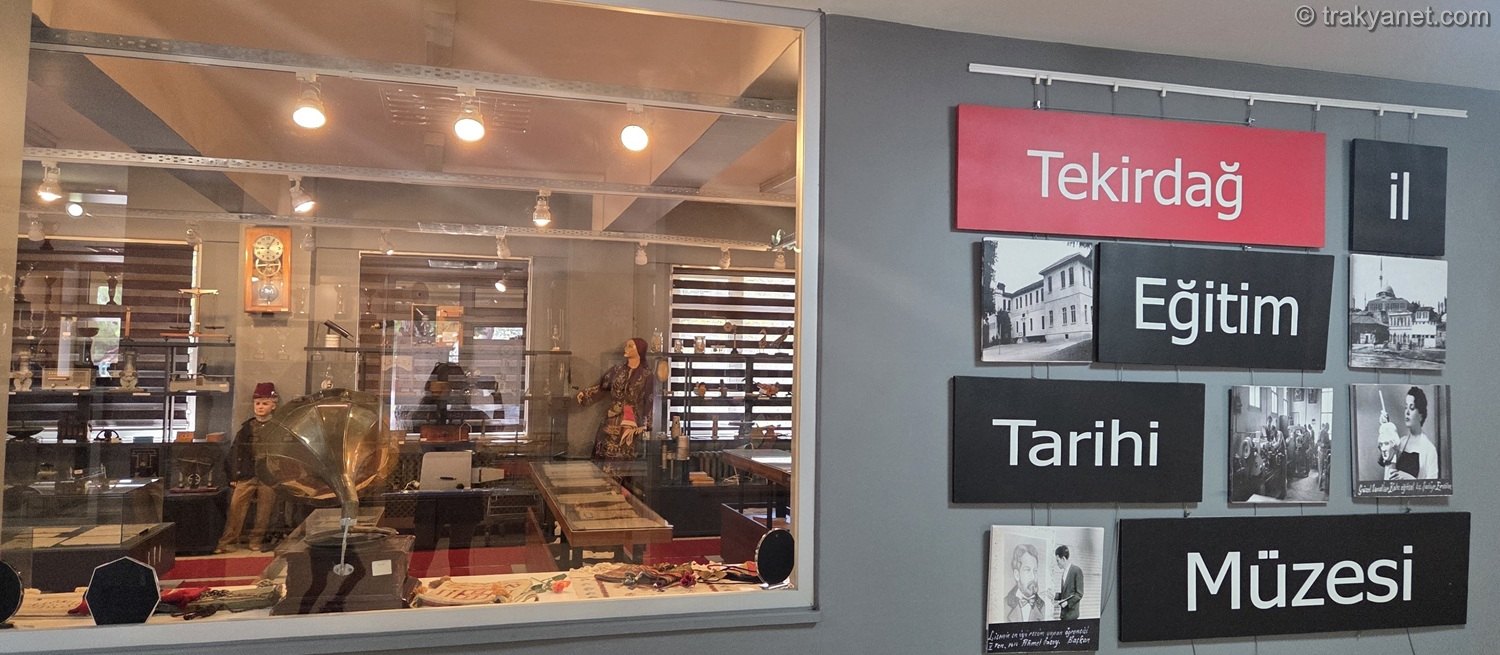
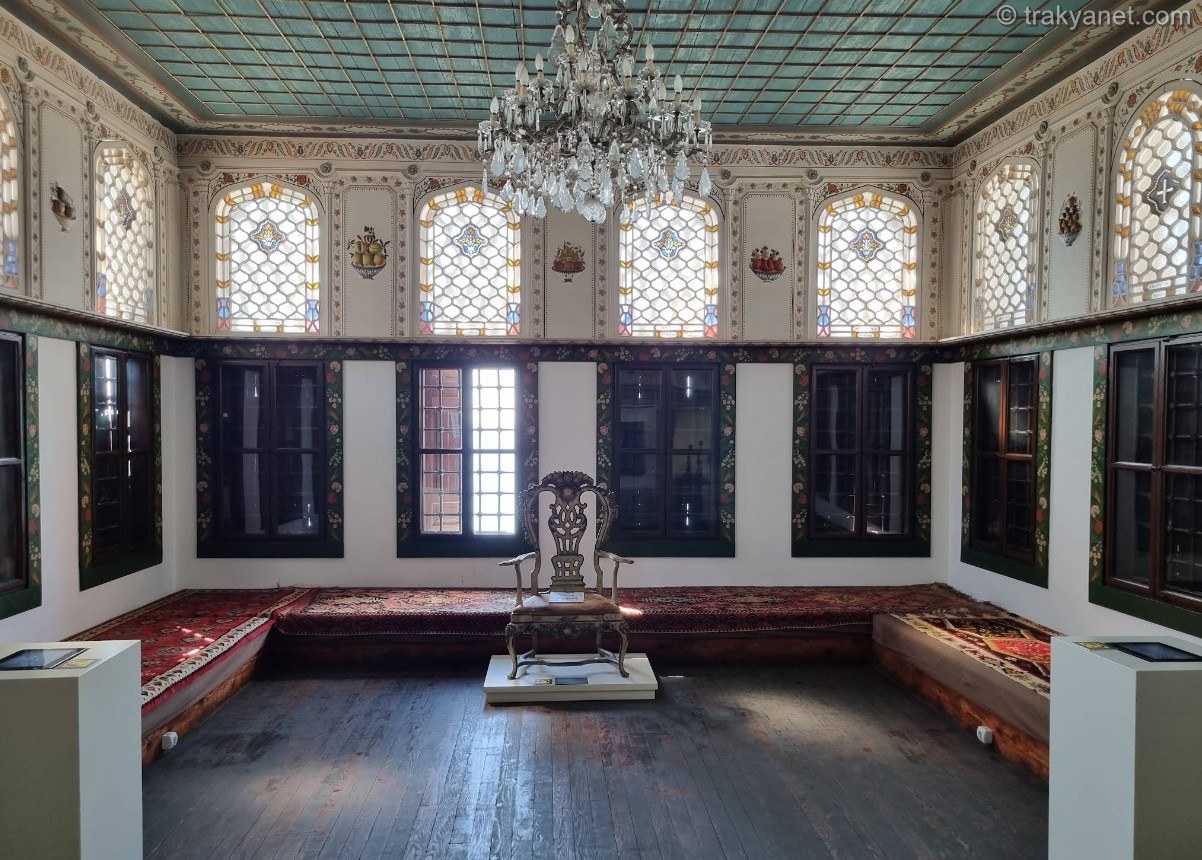
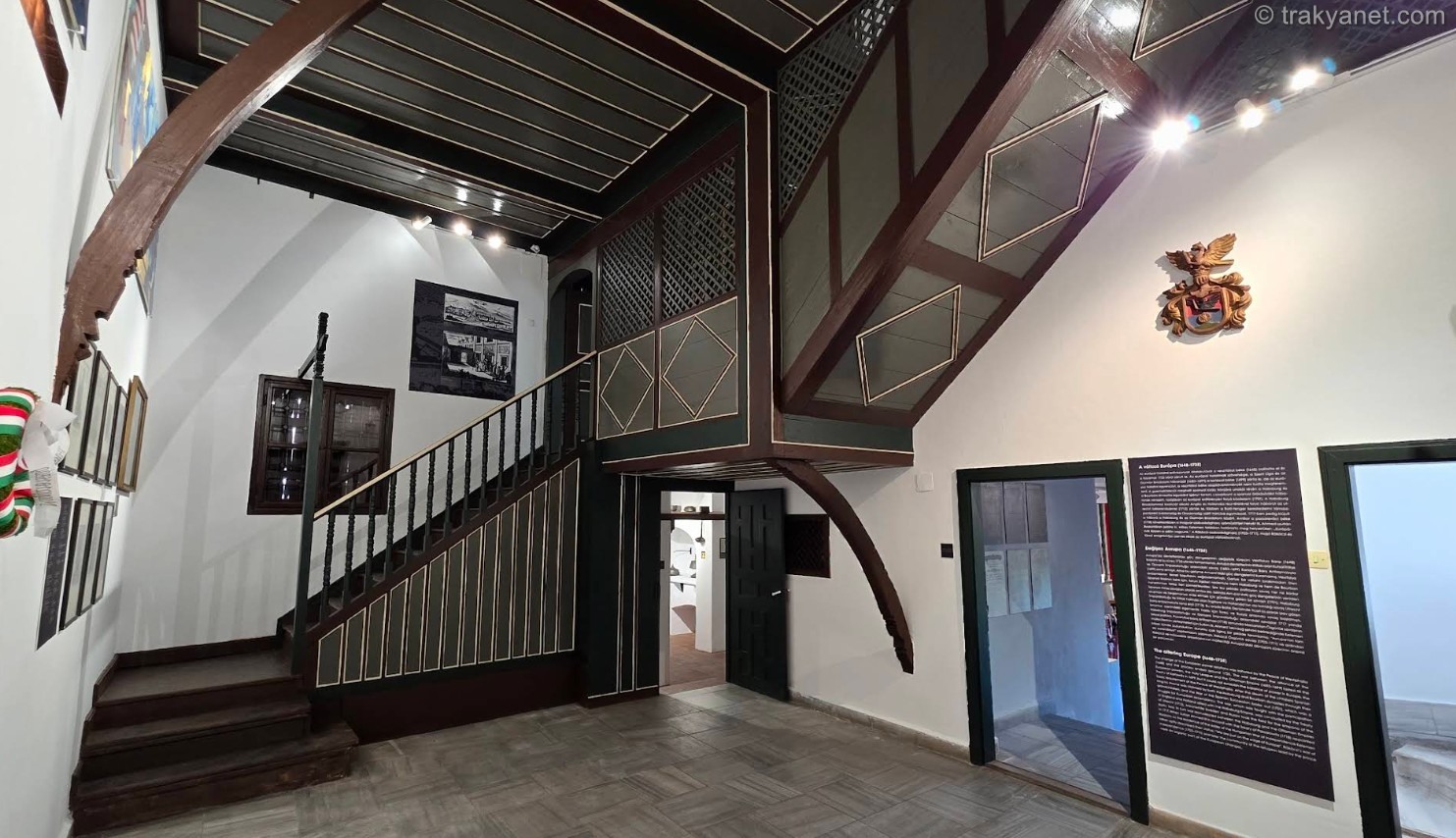
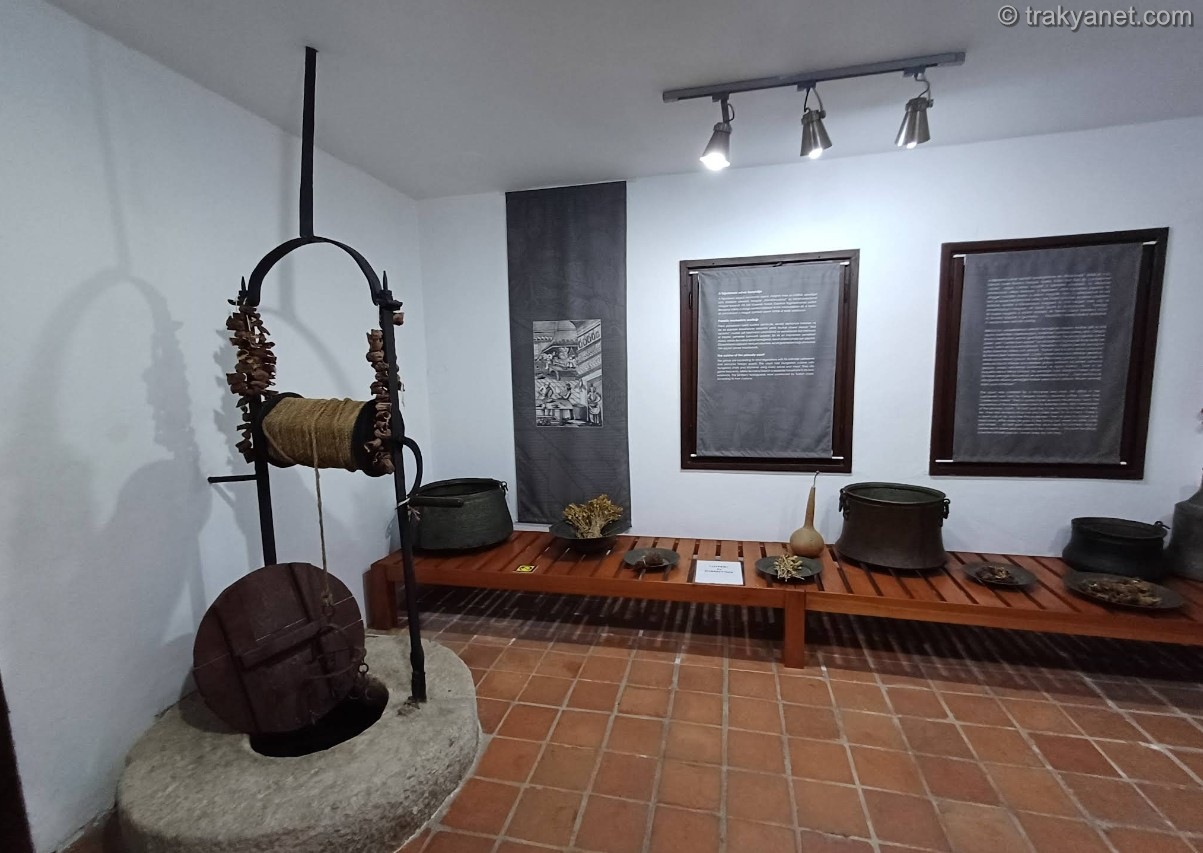
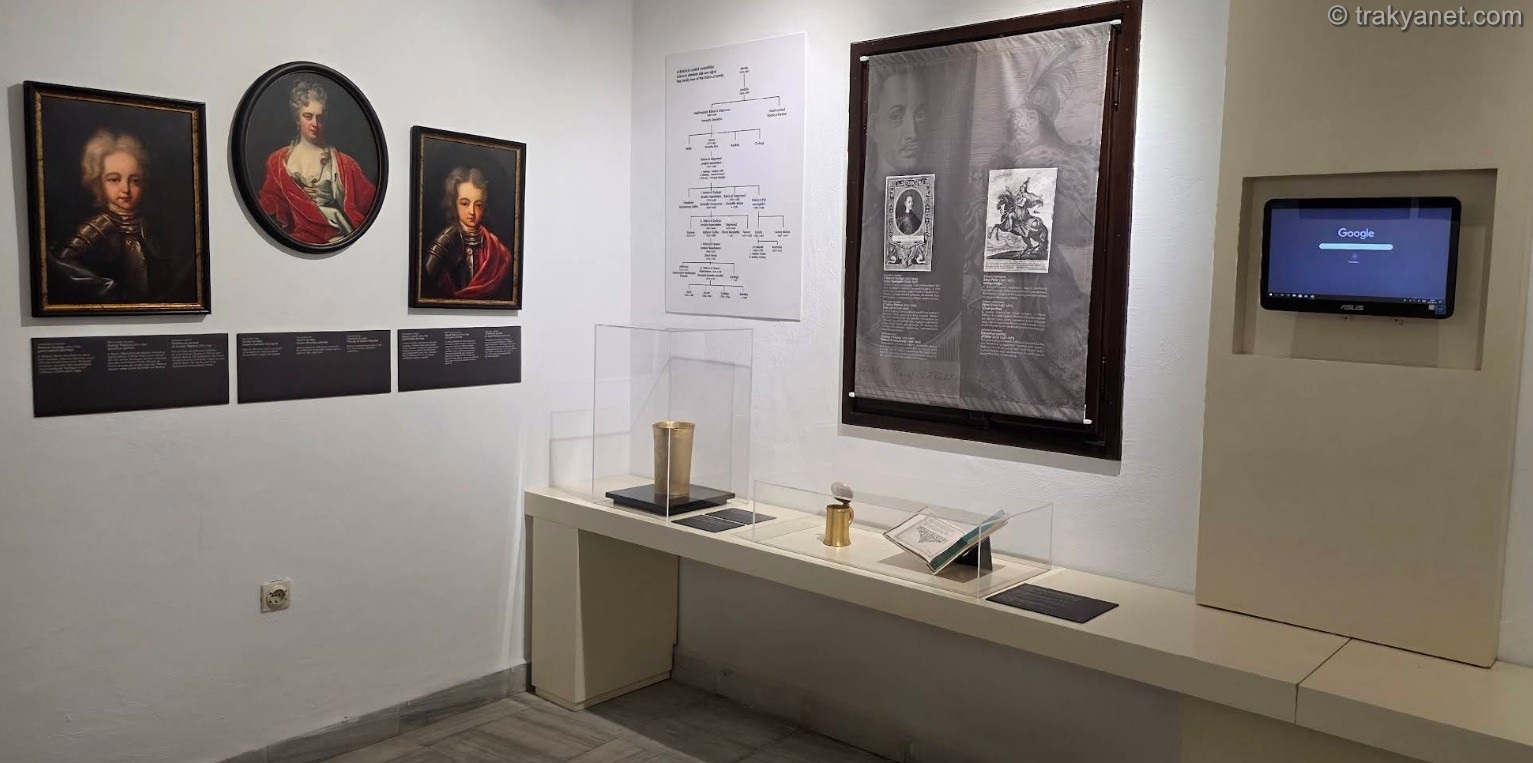
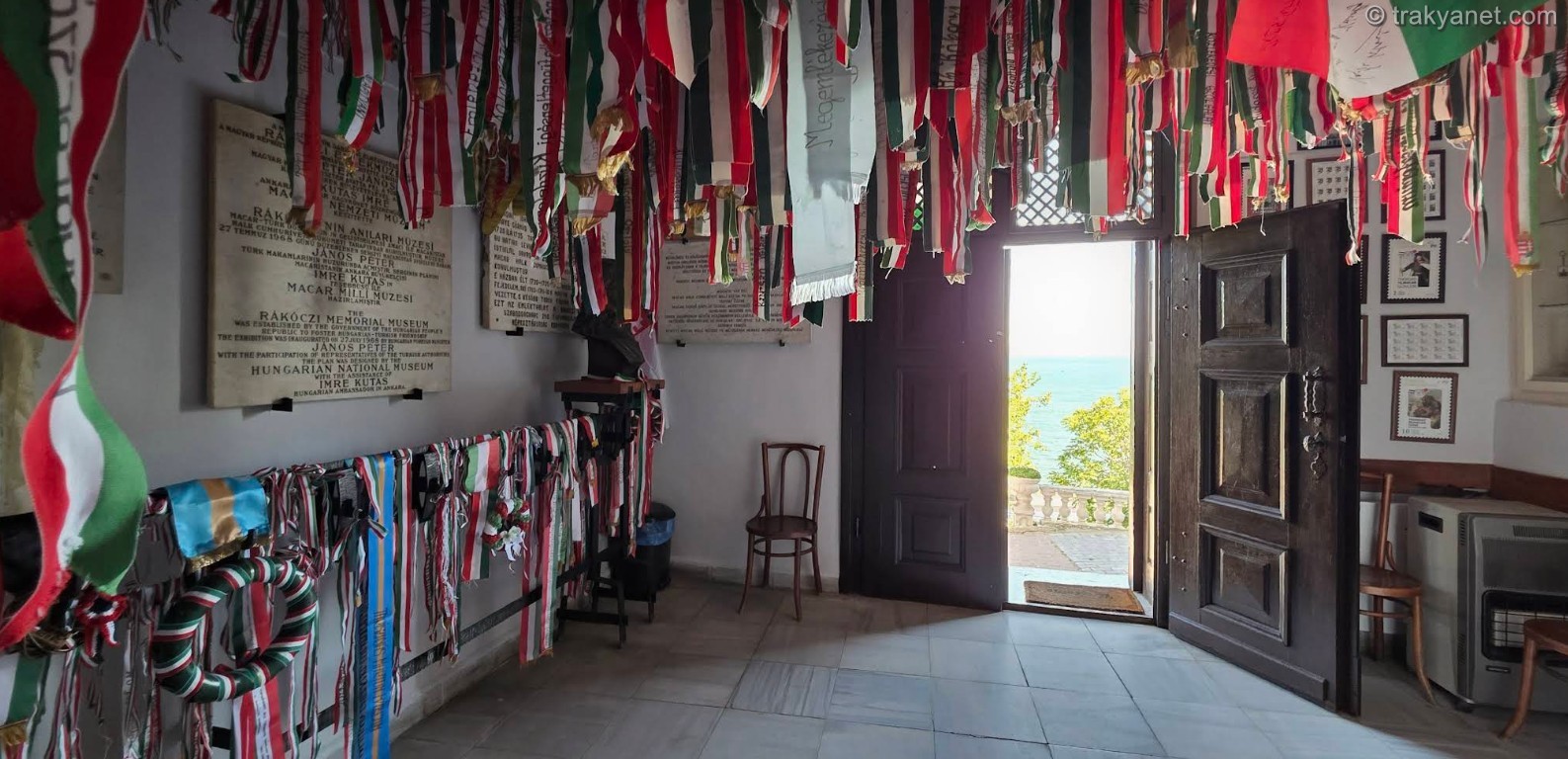
Rákóczi lived in 24 houses close to each other in Tekirdag. Later, these houses were combined to form a mansion. The only structure that has survived to the present day from these buildings is the dining hall of the mansion. After Rakoczi's death, it was planned to build a museum in his name in Hungary, and for this purpose, the decorations and interior furnishings of the house were taken along with Rakoczi's ashes. However, due to World War I and II, this museum idea could not be realized in Hungary. Therefore, the Hungarian government had the building in Tekirdag restored by a Hungarian architect in 1931–1932 and turned it into a museum. Later, in 1981–1982, the house in Tekirdag was restored once again, and during this time, copies of the reliefs from the dining hall, which had been previously dismantled and taken away, were prepared and placed back in their original locations. The inscriptions in Turkish and Hungarian at the museum entrance explain the purpose of the house's restoration. Also, in the entrance hall, there is a large oil painting of Franz Rakoczi II. The museum displays items used during Franz Rakoczi II's reign and documents related to his life. On the second floor, there are oil paintings of those who participated in the Hungarian War of Independence alongside Rakoczi.
This house in Tekirdag is considered a symbol of Turkish-Hungarian friendship and also bears the characteristics of an old Ottoman house in Tekirdag.