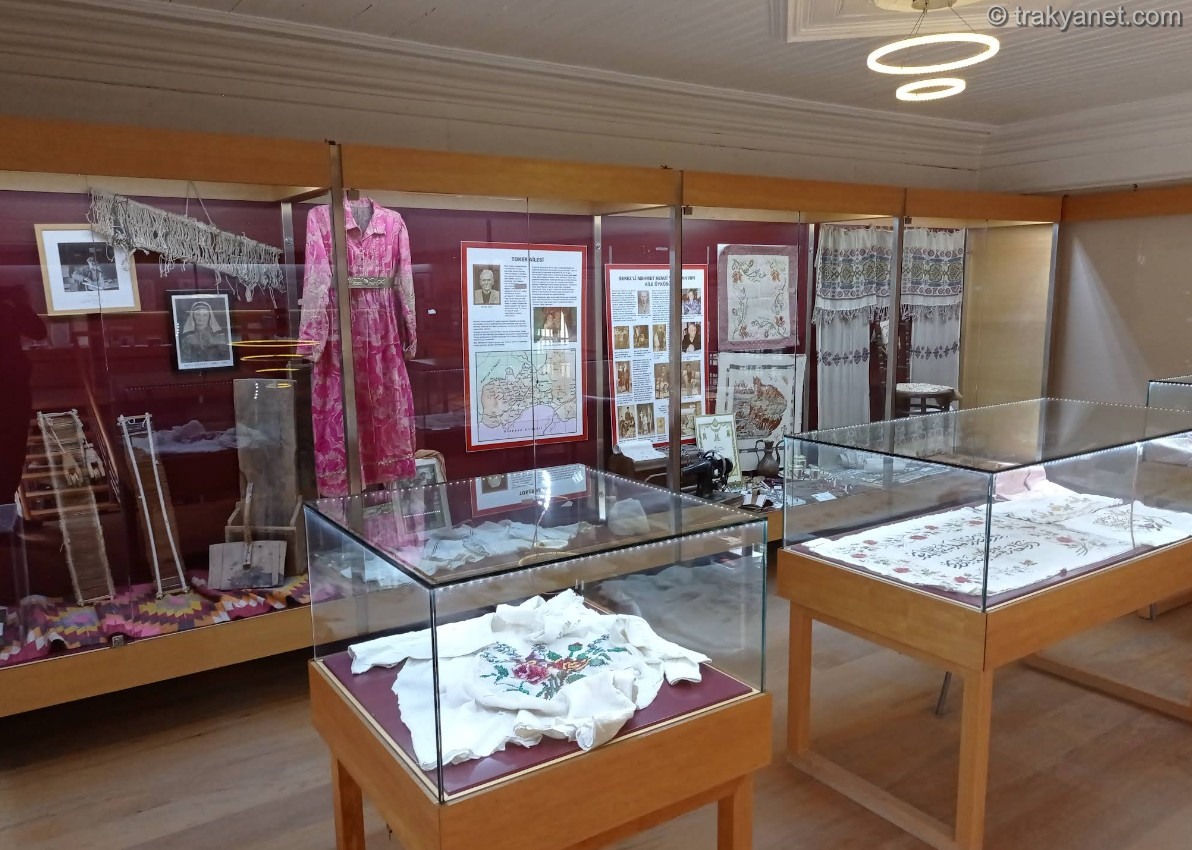


As part of the work of the Istanbul 2010 European Capital of Culture Agency's Directorate of Cultural Heritage and Museums, and in collaboration with the Lausanne Exchange Foundation and Catalca Municipality, Turkiye's first museum on the theme of migration was opened in Catalca on December 20, 2010. The Exchange Museum aims to create spaces and environments that will evoke feelings of longing, sorrow, and joy in the past for the children, grandchildren, relatives, and anyone interested in the exchange of Greek and Turkish citizens, fostering cultural relations. The museum displays clothing, kitchen utensils, written documents, photographs, and all kinds of memorabilia belonging to family members.
The Story of the Construction of the Exchange Museum
When the Lausanne Exchange Foundation was established in 2001, one of its important goals was to open an Exchange Museum. In the years following its establishment, the LMV decided that the Kaleici neighborhood of Catalca was a very suitable location for this museum. In 2001, they met with the Catalca municipality and made a principled decision to work together to realize this project, and a protocol was signed. At the same time, they met with the Olcer family, the owners of the building considered for use as a museum. The family supported the LMV's project and stated that they would allocate their building for the museum.
The project, which required significant financial resources, was submitted by the LMV as a proposal to the European Capital of Culture Istanbul 2010 agency. After extensive research, the European Capital of Culture Istanbul 2010 agency accepted the museum project proposal. The survey, restitution, and restoration projects for the museum, previously completed by foundation members Architect Sadrettin Soylu and Architect Nuzhet AK, resulted in obtaining a construction permit from the Municipality after lengthy efforts. Due to established protocols, the museum was required to open in 2010, leaving only about four months for construction, decoration, and curation work.
The work, coordinated by LMV founder and board member A. Atila Karaelmas, and undertaken by foundation members Architect Sadrettin Soylu and Architect Nuzhet AK (both from Catalca), along with all the managers and members of LMV and LMD, resulted in the completion of the Exchange Museum on December 18, 2010. As a project partner, Catalca Municipality, particularly Mayor Cem Kara and all its employees, made significant contributions during the construction period. Furthermore, the support of the Olcer family, who allocated their historical buildings for the museum, especially Ersan Ertugrul Olcer, and all the people of Kaleici, significantly contributed to the timely opening of the museum. The museum was opened with a very magnificent ceremony on December 20, 2010. Despite all the bureaucratic obstacles and the difficulties of the weather conditions, the Exchange Museum, which opened on time, attracted great interest as Turkiye's first migration-themed museum. International and national media published a lot about the museum.
Museum Building
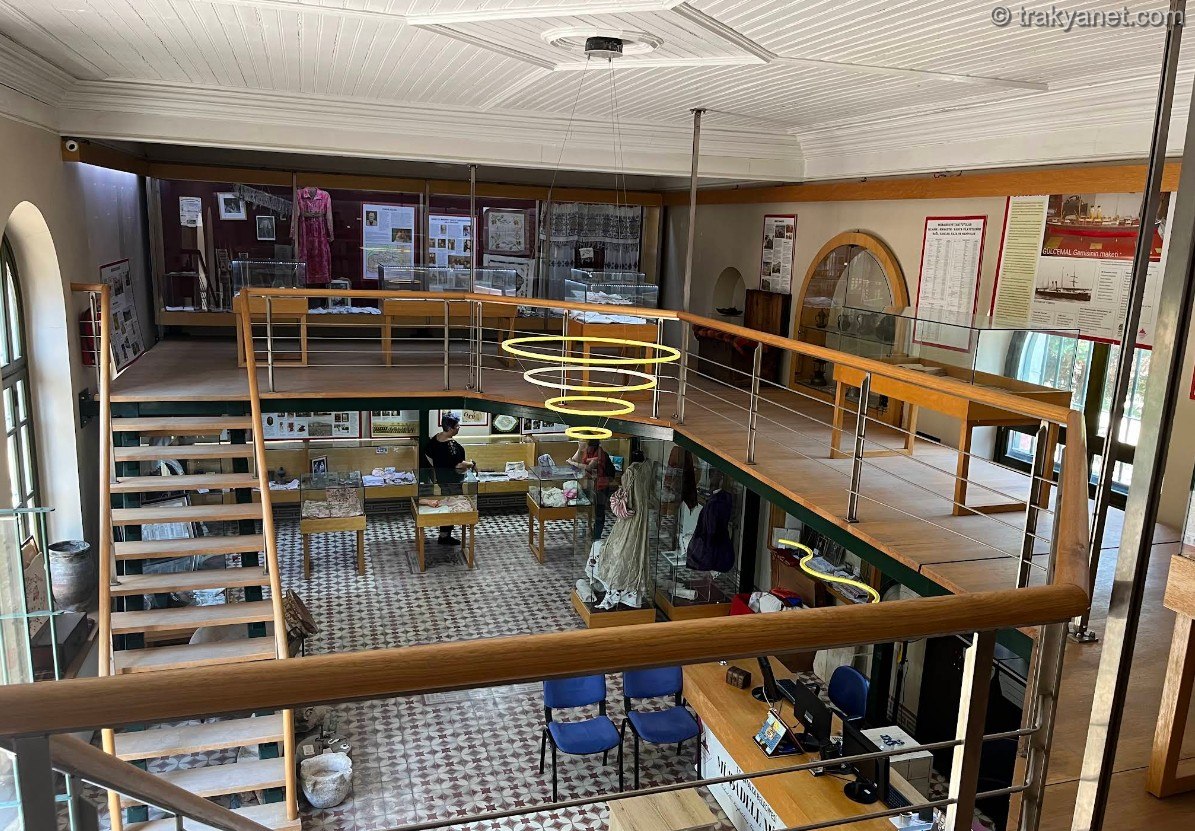
The Exchange Museum consists of three sections: the main museum building, the exchange square, and the cultural center. The main museum building served as a tavern between 1913 and 1923. It is said that before the population exchange, it was run as a tavern by a Greek named Yannis. After the population exchange, when the Greeks left Catalca, health officer Fethi Onuk took over the tavern but left it because he could not manage it. Later, the building was transferred to the treasury and began to serve as Ziraat Bank. Ziraat Bank sold the building to Fikret Tatari in 1961. During this period, tailoring and sewing courses were given in the building. The building was purchased by Kamil Olcer in 1967 and is currently owned by Kamil Olcer's heirs, Ersan Ertugrul Olcer, Ertug and Erdag Olcer. Finally, the Olcer family allocated the building to the Lausanne Exchange Foundation to be used as the Exchange Museum.
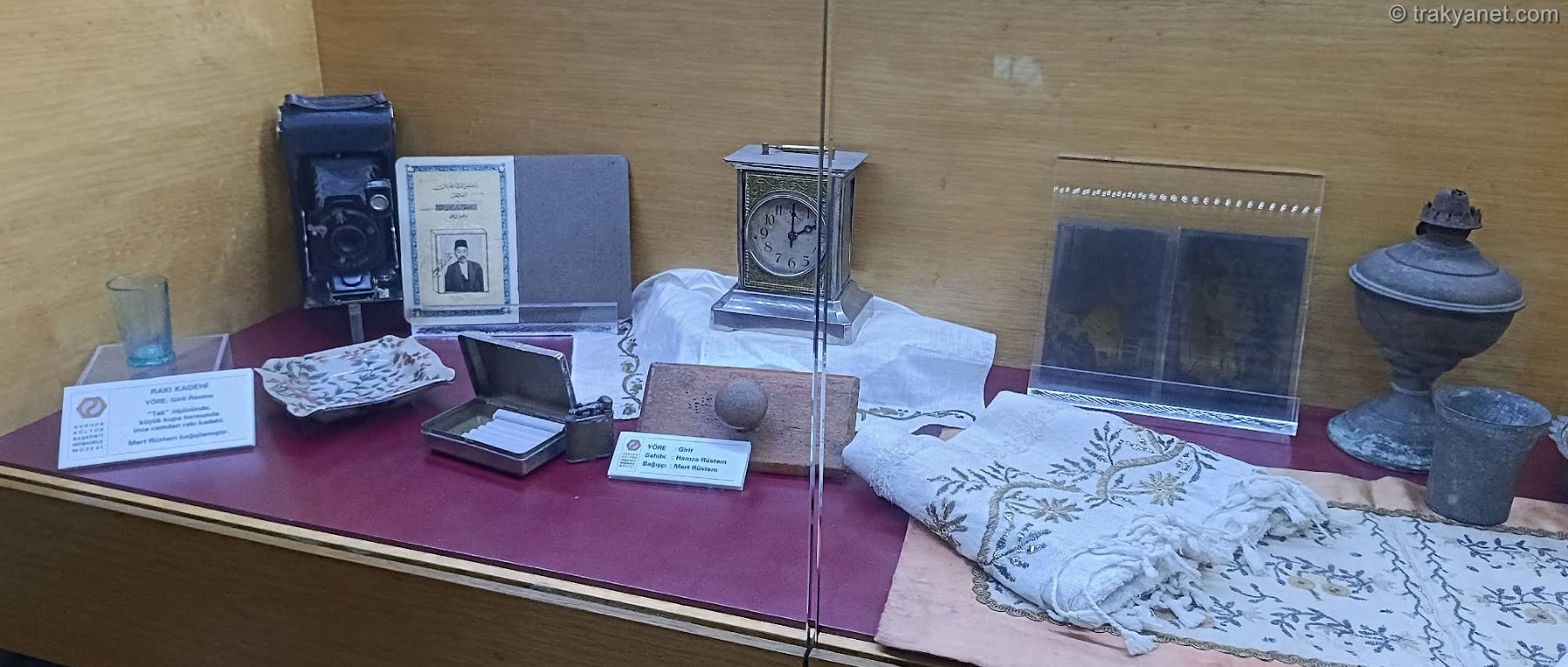
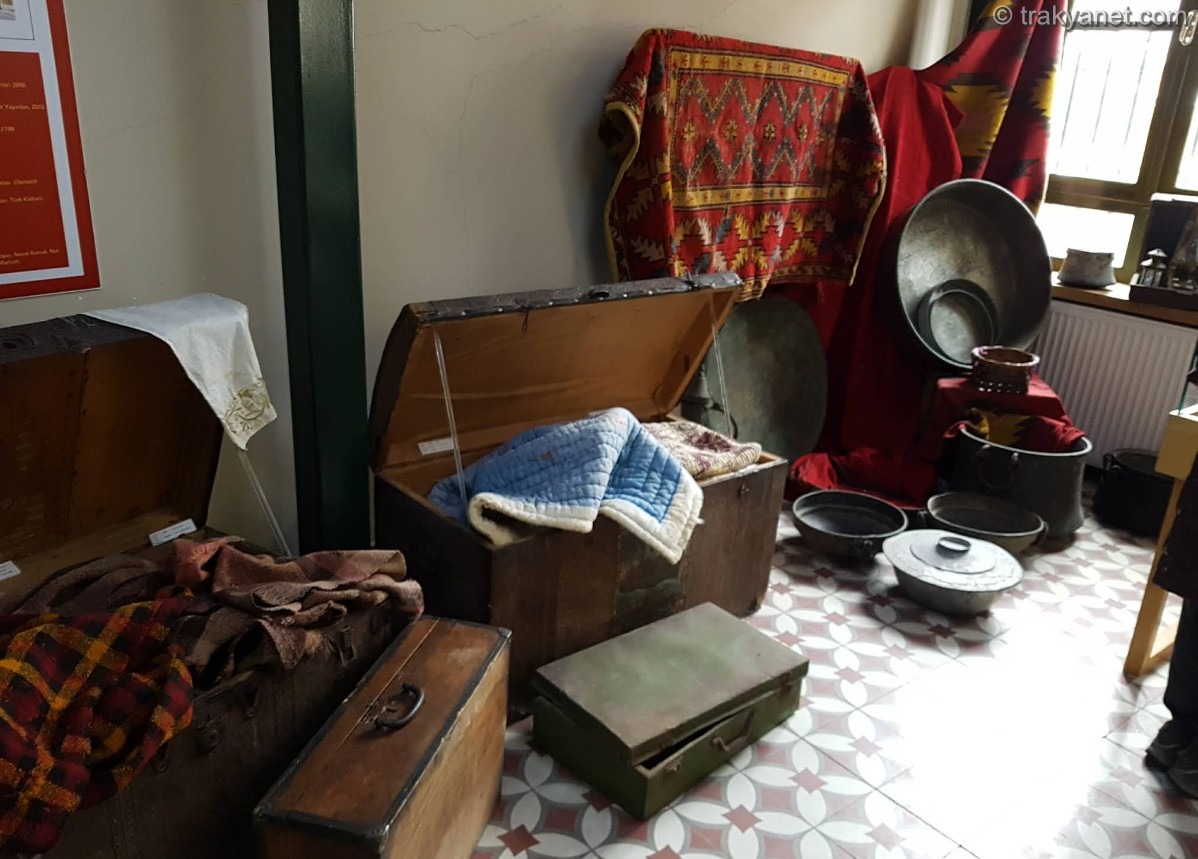
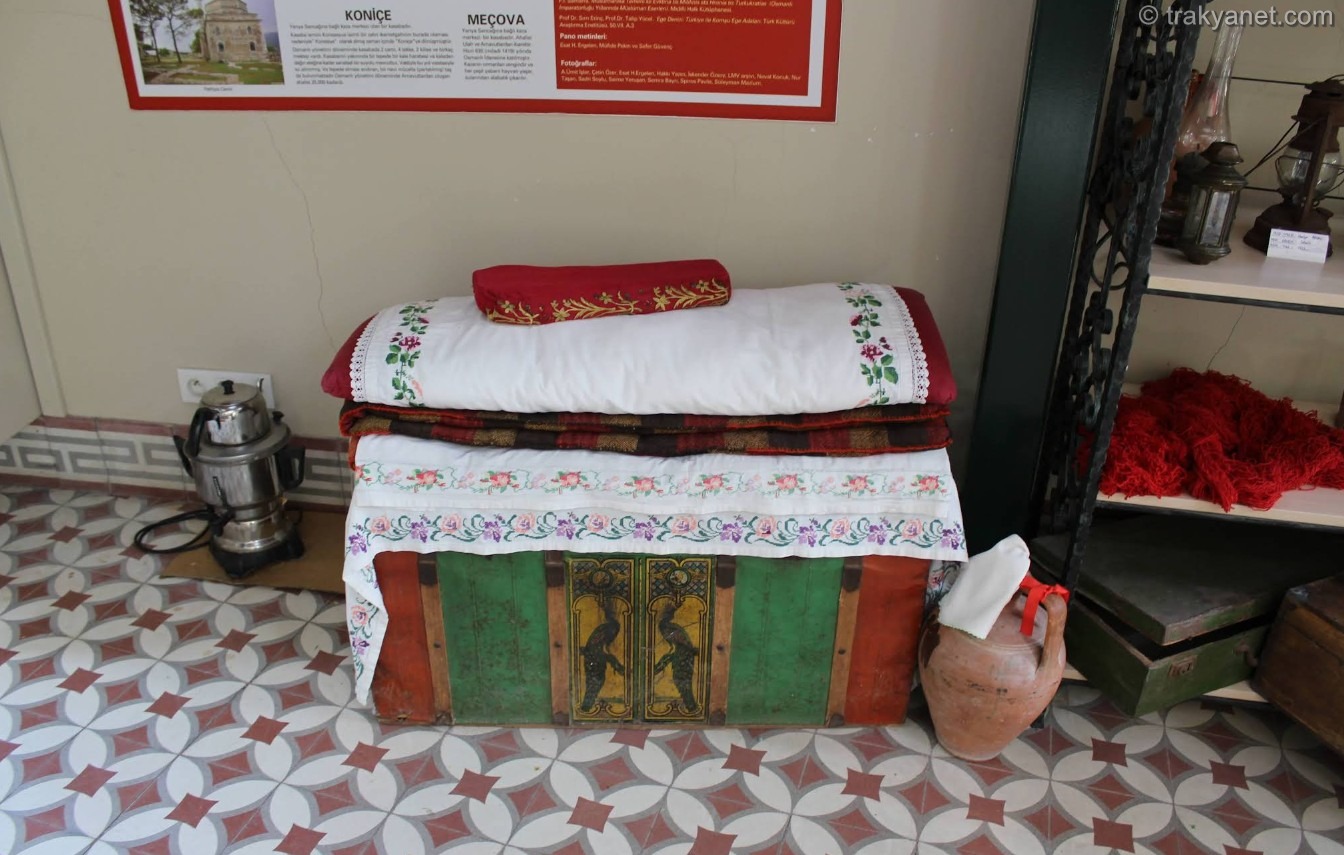
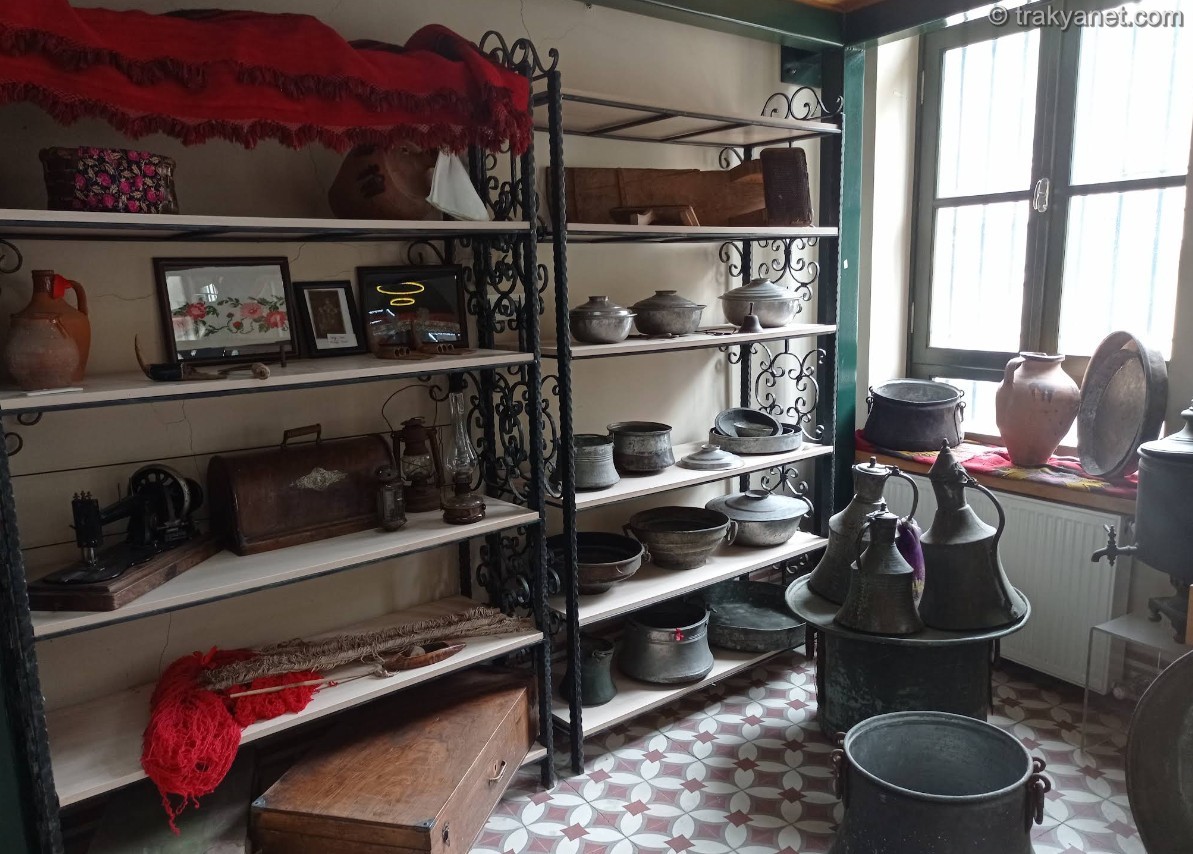
Among the objects exhibited in the museum, dowry items occupy a large place. Hand-woven sheets, embroidered cotton curtain fabrics, pillowcases, tablecloths, and embroidered decorations shed light on that era. In the sections related to music, there is the oud, mandolin, darbuka, and sheet music of the famous composer Faiz Kapanci, who was born in Thessaloniki. Among the kitchen and household items are spoons with mother-of-pearl handles, copper pans, frying pans, trays, pitchers, single-sized raki glasses, porcelain tea sets, earthenware jars, iron irons, gas lamps, and glassblowing hammers. In the photographs and documents section, visitors are transported back in time to items such as the camera used by Hamza Rustem Bey, one of Crete's first photographers, the glass used for negative printing at that time, documents from the population exchange period, property settlement requests belonging to those who were exchanged, Ottoman-era maps, a Quran, a half-bill, stamps from that era, and copies of the "Sabah" newspaper published in the late 19th century.