

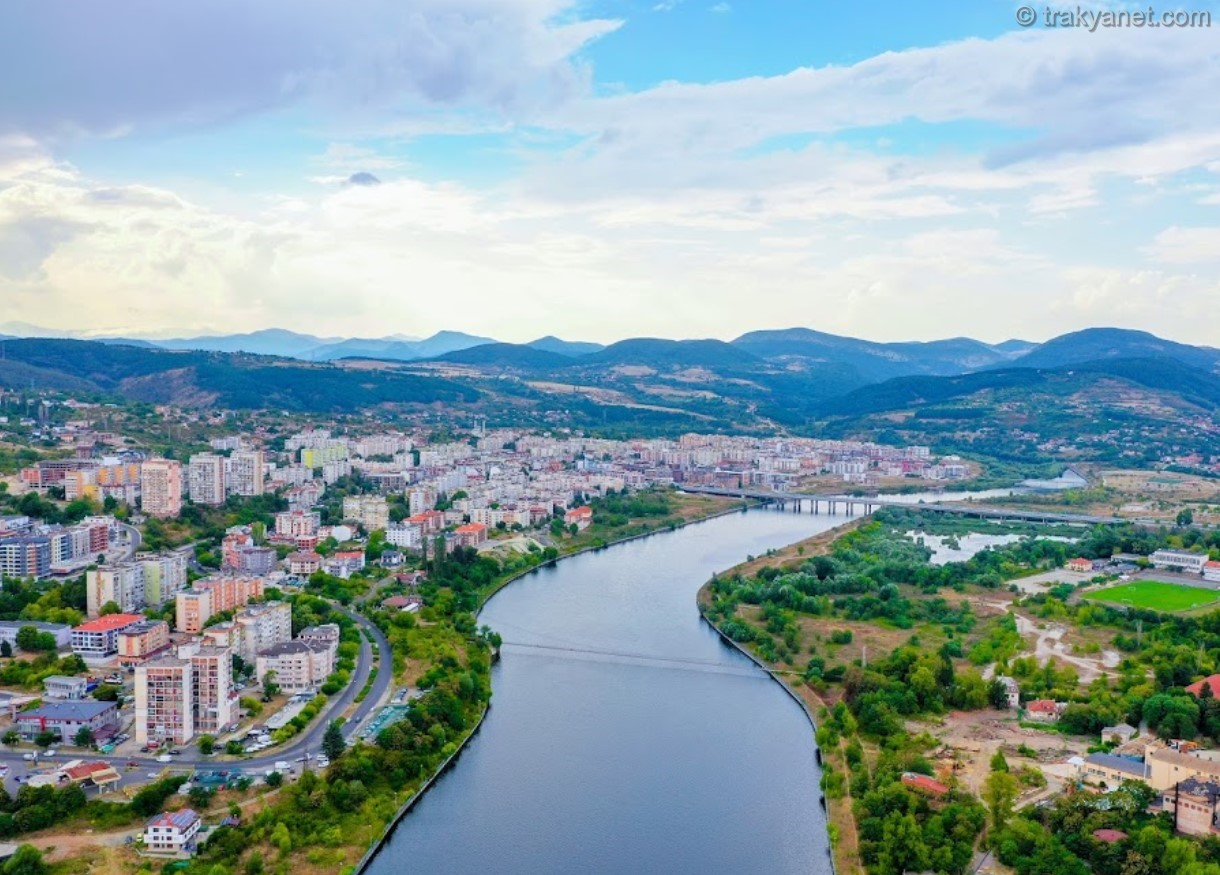
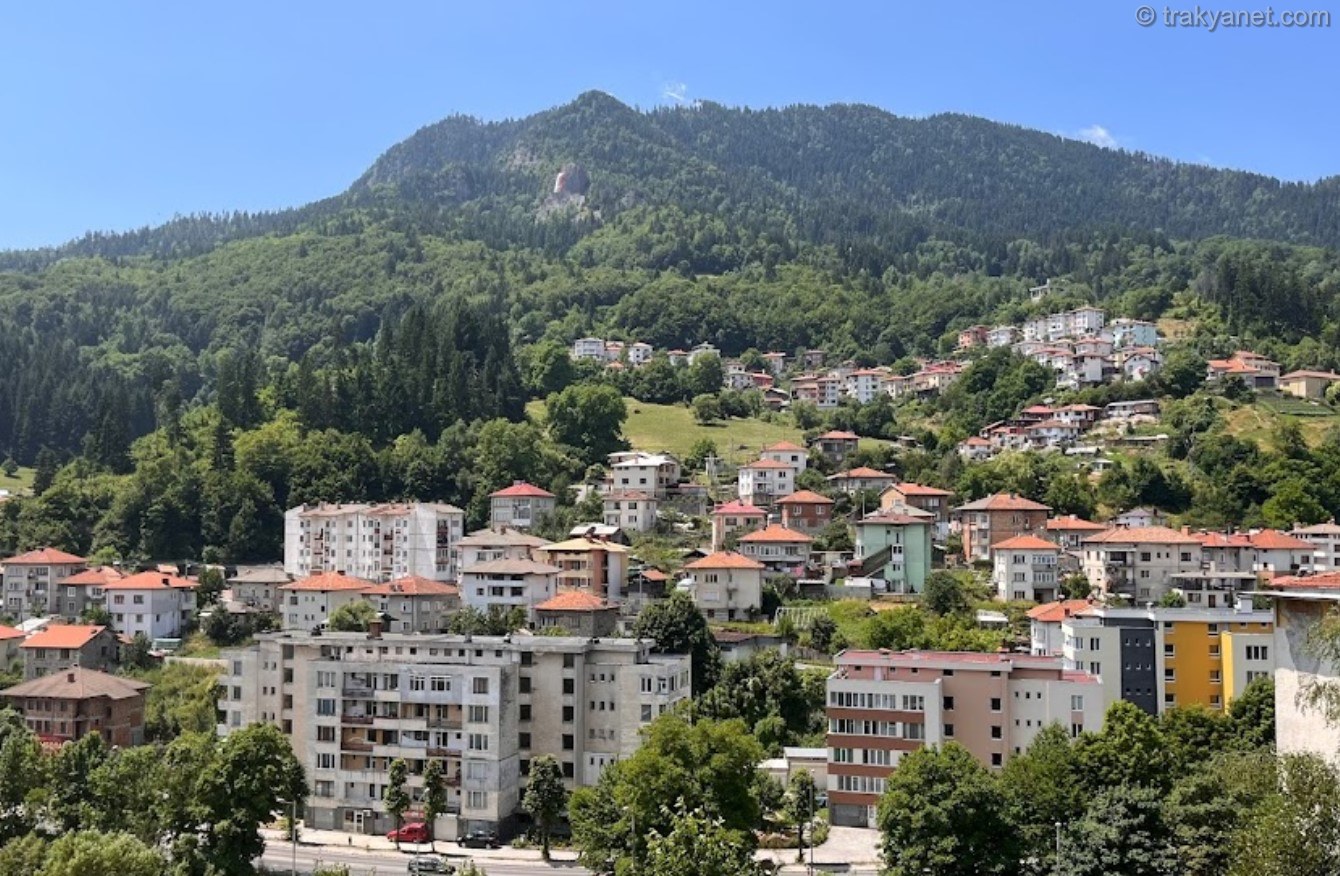
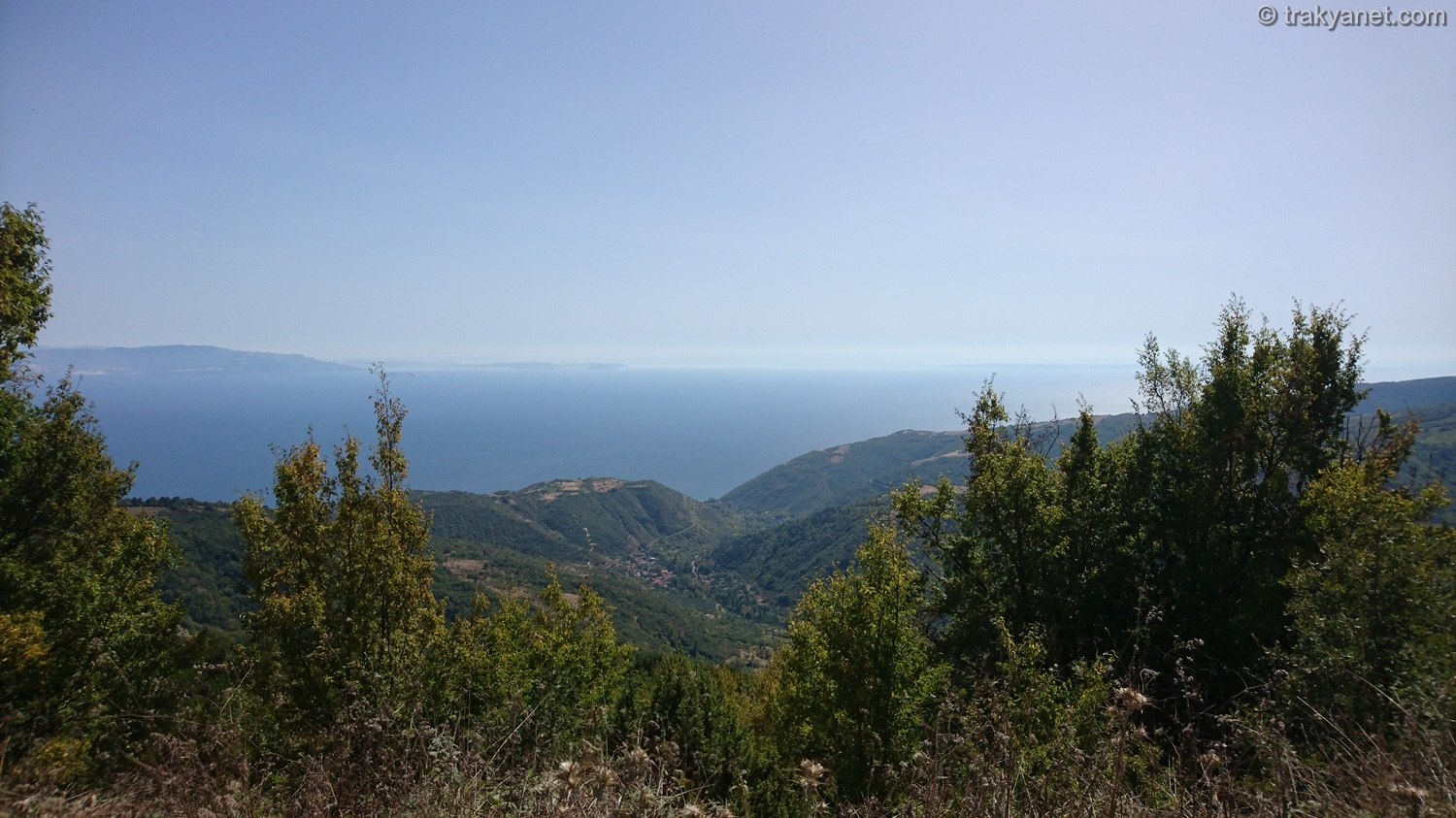
The northern slopes of the Istranca massif, stretching north of Tekirdağ towards Saray, are covered with beech forests due to higher rainfall. Rhododendrons form the undergrowth in this area. As one moves towards the southern slopes and further south, oak and hornbeam trees replace beech due to decreasing rainfall.
As one descends towards the Ergene basin, sparse clusters of oak, hornbeam, blackthorn, and elm trees are visible near settlements. These small tree clusters are evidence that the interior of Thrace is not a steppe area. The Thrace region acquired its current steppe appearance as a result of the destruction of forests to gain agricultural land (anthropogenic steppe). Poplar and willow species are common in the lowlands and valleys in this area.
On the northern slopes of the Ganos Mountains in the south, hornbeam, oak, linden trees and a dense undergrowth dominate, while on the southern slopes, due to decreased rainfall, dry forests and maquis communities are found. In the Koru Mountains, oak and Scots pine forests and maquis communities are dominant.