

June
Saturday
Eastern Thrace Museums
Province: Edirne
Recently Added
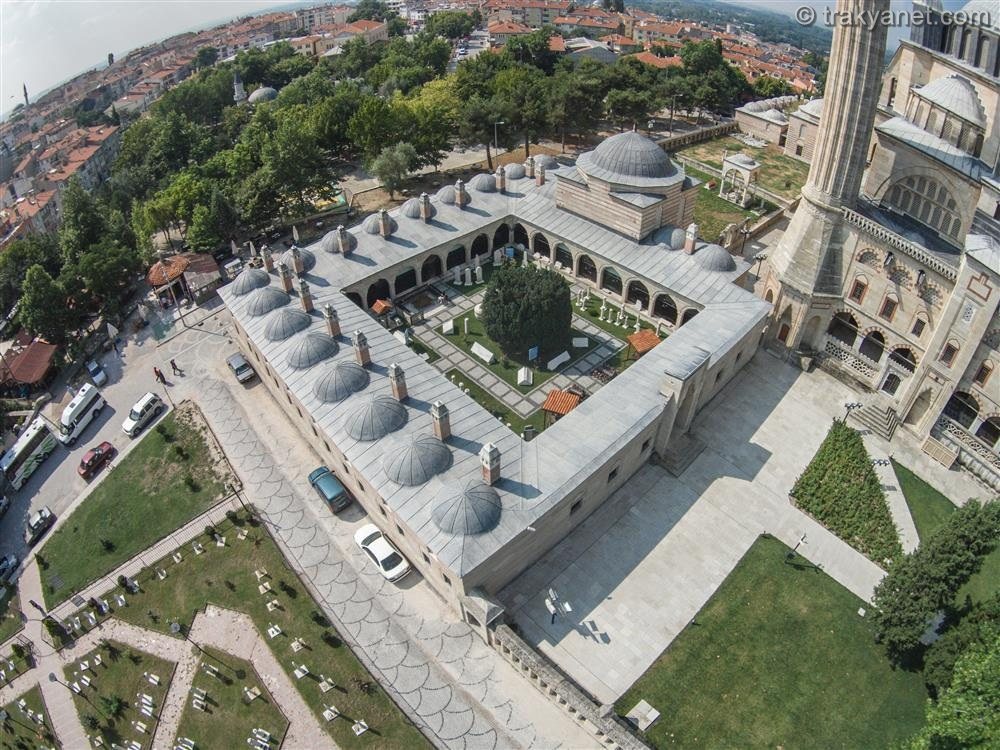
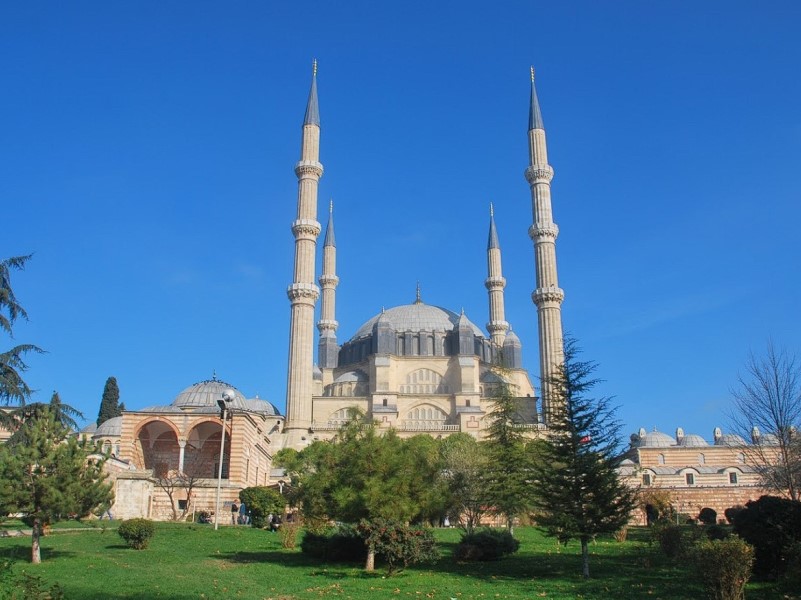
The first museum in Edirne was established in 1925 by order of Mustafa Kemal Ataturk in the Dar-ul Hadis Madrasa, part of the Selimiye Complex, by Dr. Rifat Osman, Arif Dagdeviren, and Necmi Ige. Initially called the Archaeology Museum, it housed valuable ethnographic artifacts and tombstones. Later, due to its inability to meet the needs, a second museum was deemed necessary. This second section, dedicated to ethnography, was opened on November 25, 1936, the thirteenth anniversary of Edirne's founding, in the Dar-ul Kurra Madrasa, also part of the Selimiye Complex. The Ministry of National Education and the General Directorate of Foundations provided financial contributions to this museum, and it was supplemented with valuable artifacts from the Ankara Ethnography Museum and the Topkapi Palace Museum.
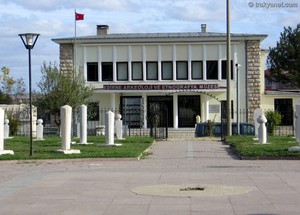
Edirne Archaeology and Ethnography Museum
The two museums established in Edirne in 1925 and 1936 were merged under a single directorate in 1954, with Muzaffer Batur appointed as director. Although some brief introductory texts were written after the consolidation of both museums under one directorate, a period of stagnation occurred until 1966. From that year onwards, with the increase in the number of artifacts, the construction of a new building was included in the program.
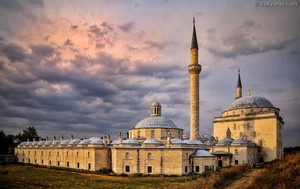
Health Museum of the Sultan Bayezid II Complex
The Health Museum is a medical history museum established in the Daraüşşifa (hospital) section of the complex built by Sultan Bayezid II, son of Sultan Mehmed the Conqueror, in 1488.
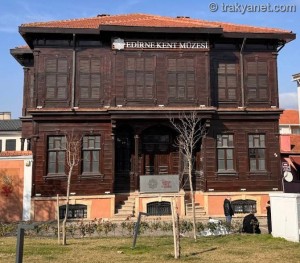
Edirne City Museum
Restored and brought to the city by the Edirne Municipality, the Edirne City Museum was created through the renovation of the Hafızağa Mansion and serves as a bridge between the city's history and future. Bringing Edirne's rich past to the present, this museum offers an opportunity to witness history by exhibiting many important artifacts dating from the Chalcolithic Period to the present day.
Popular Topics
Edirne City Museum
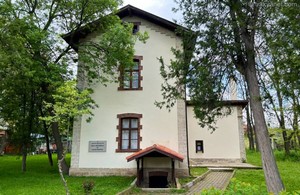
Museum of the National Struggle and Lausanne
Edirne Archaeology and Ethnography Museum
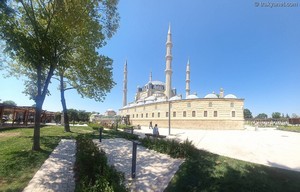
Selimiye Foundation Museum
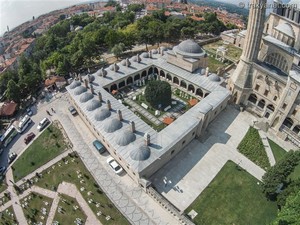
Edirne Museum of Turkish and Islamic Arts
Health Museum of the Sultan Bayezid II Complex
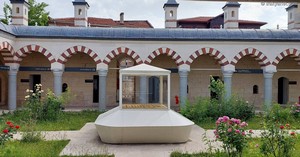
Edirne Fatih Sultan Mehmet Museum
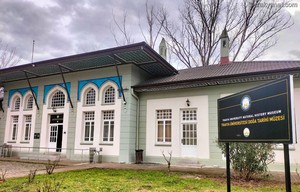
Edirne Natural History Museum
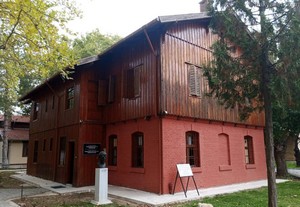
Ilhan Koman Sculpture and Painting Museum
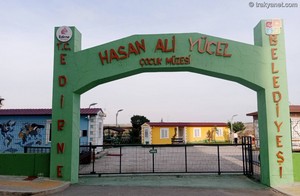
Hasan Ali Yucel Children's Museum