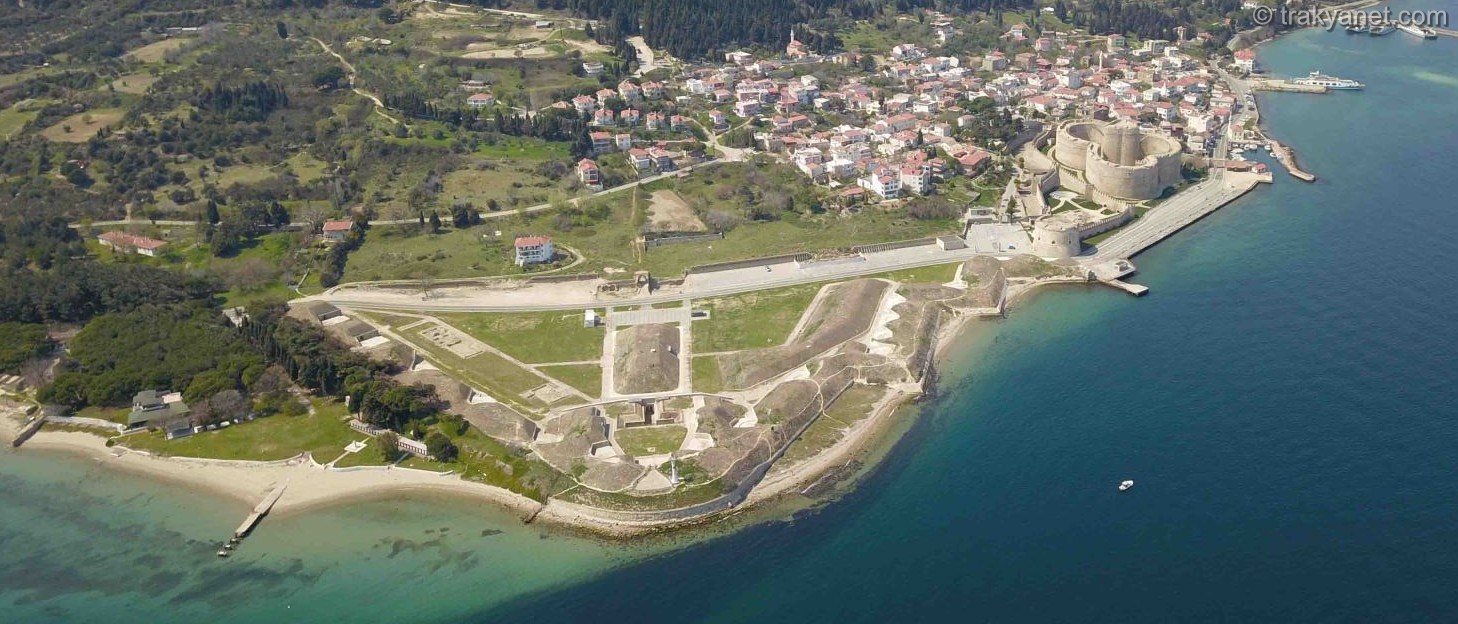



Kilitbahir Castle was built by Sultan Mehmed the Conqueror in 1461 after the conquest of Istanbul to defend the Dardanelles and the city. With the construction of the Kilitu'l-Bahr (Kilitbahir: Key of the Sea) and Kal'a-i Sultaniyye (Cimenlik Castle) castles opposite each other at the narrowest point of the strait, Sultan Mehmed the Conqueror brought all sea passages under control.
Tursun Bey, one of the historians of the period, writes that after the conquest of Istanbul, two castles were built opposite each other at Eceovasi, the narrowest point of the Bosphorus, one was named Kilîdu'lbahr and the other Sultaniye, and cannons were placed in these castles. Tursun Bey, in his work Kritovulos Historia, mentions the events of 1463 and states that Yakub Bey, the Commander of the Navy and Governor of Gallipoli and Bolayir, was tasked with the construction of these fortresses, and that the construction was completed in the period of 1464-65.
The Kilitbahir Fortress Museum is generally a museum showcasing Ottoman fortress life.
Main areas to visit:
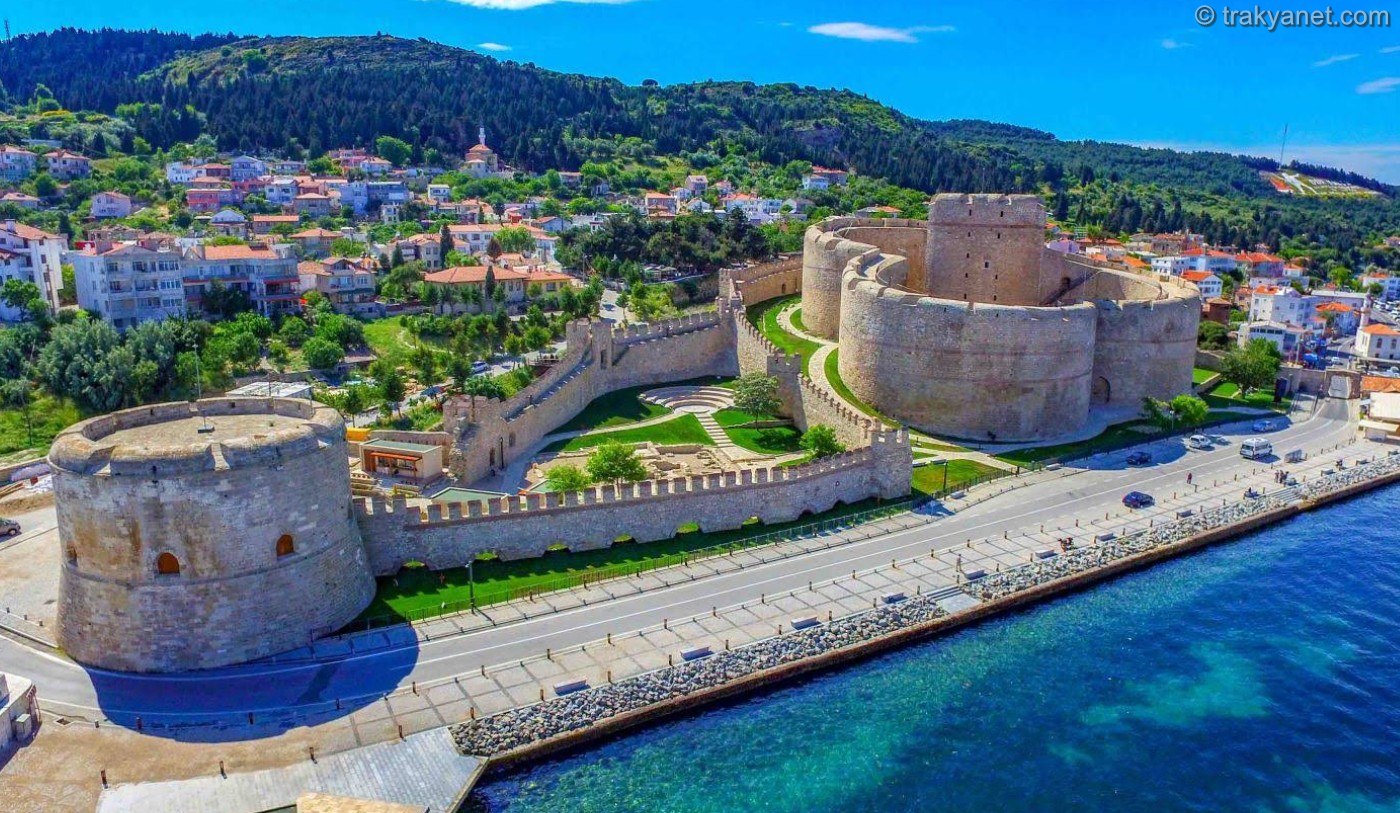
The Yellow Tower, the Late Period Courtyard (Hisar Pece), Piri Reis, and the Inner Tower.
Yellow Tower
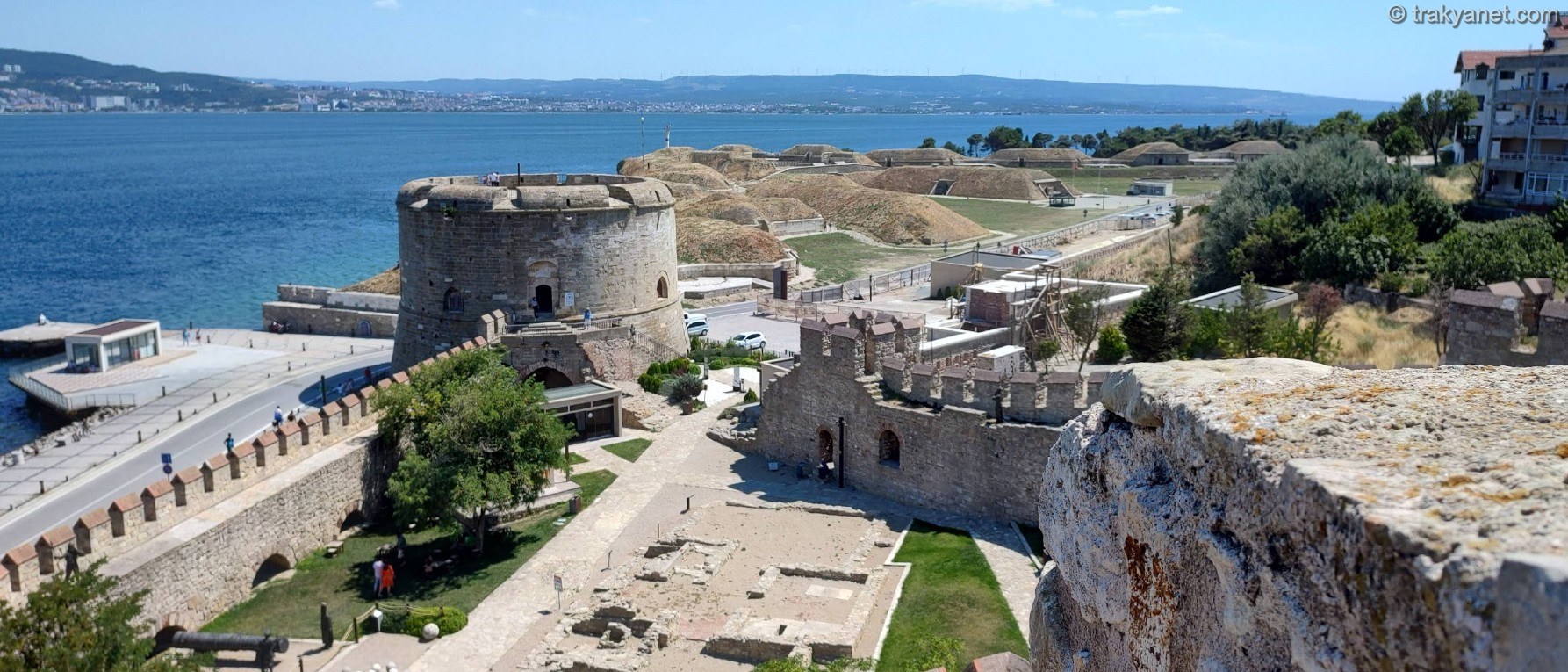
During the reign of Suleiman the Magnificent, Kilitbahir Fortress was repaired, surrounded by walls, and the Yellow Tower was added. A two-line inscription of two couplets placed above the tower's entrance indicates that the tower was built in 1541. This section, which describes Ottoman fortresses, includes: Ottoman castle architecture, castle structural equipment, organizational structure, engravings of Ottoman castles in Europe, defensive weapons, trade, and daily life are recreated.
Late Period Courtyard (Hisar Pece)
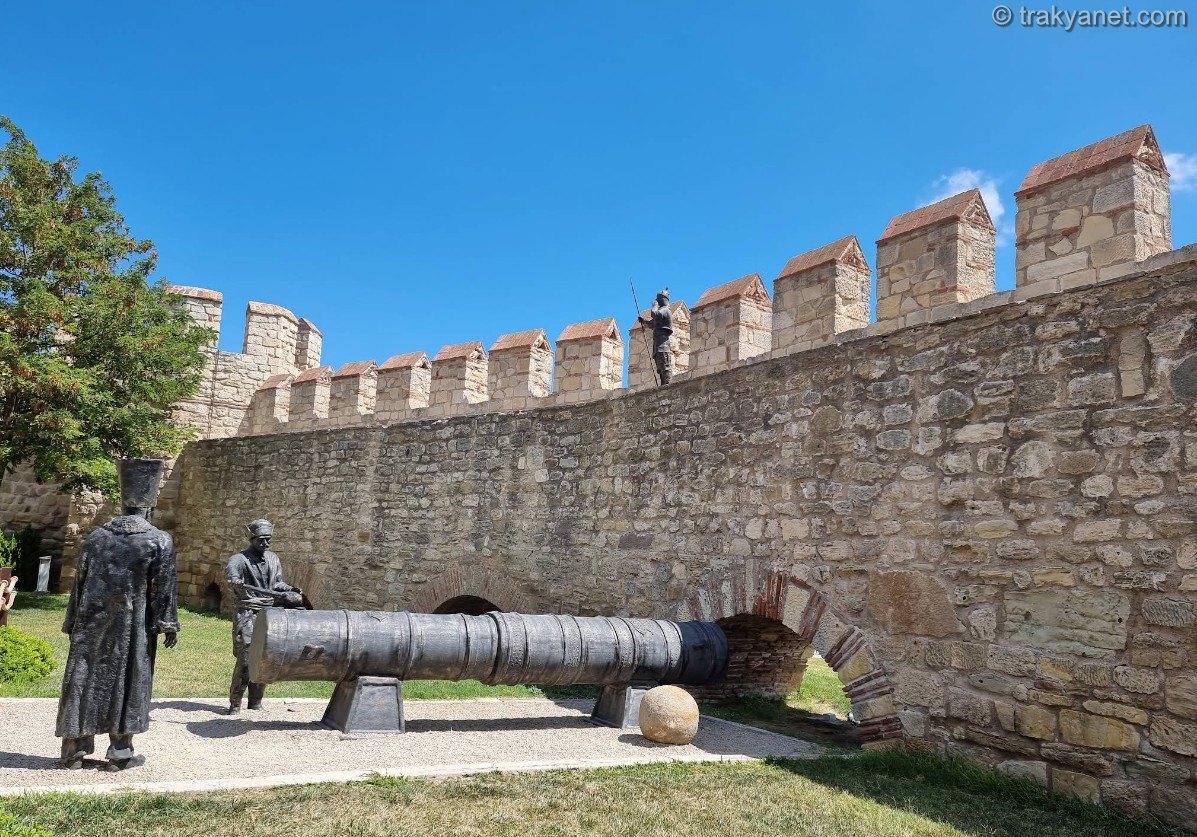
This is a front defense area added during the repairs made in the reign of Suleiman the Magnificent to increase the castle's defenses. Within this courtyard, there are remnants of the late period headquarters building and an artillery reconstruction.
Piri Reis Section
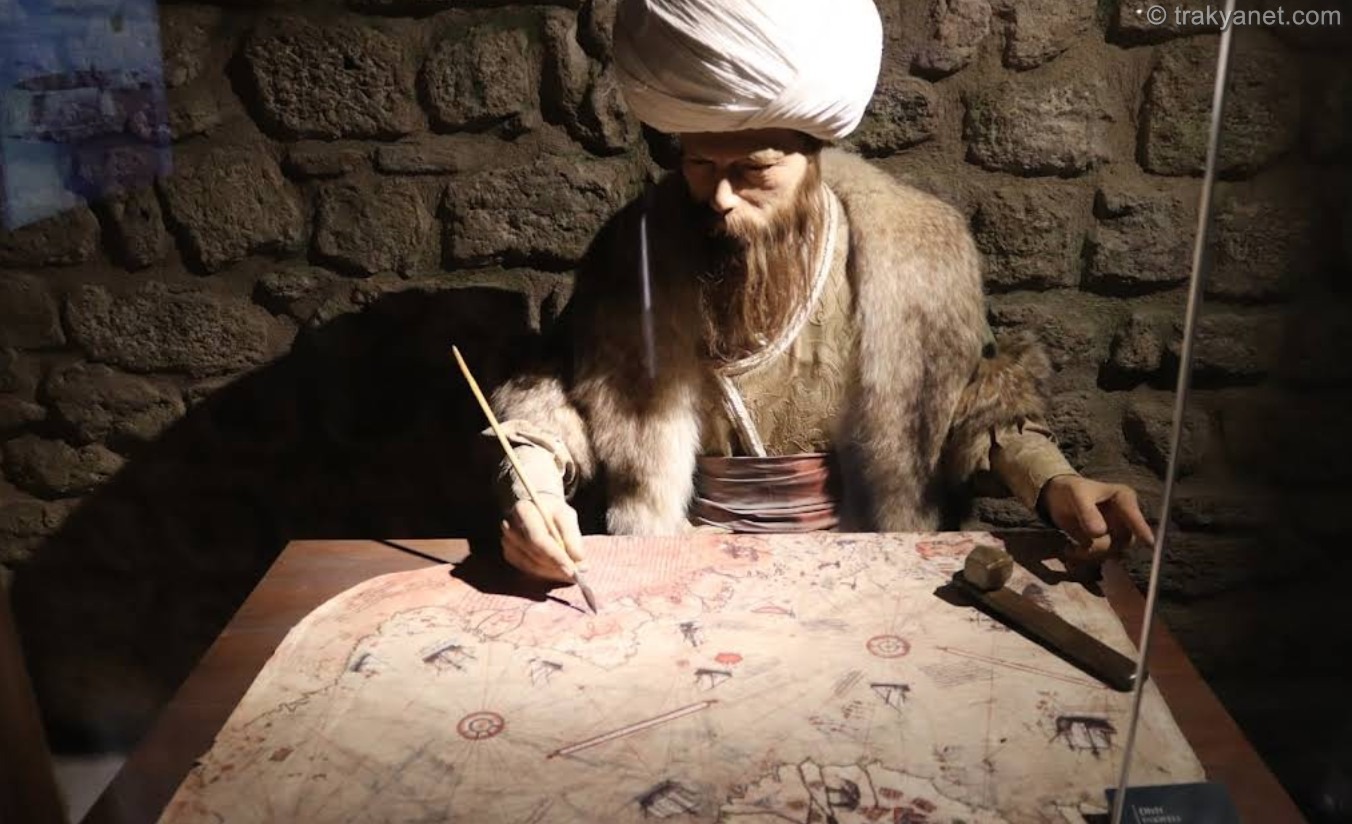
In this section, dedicated to the famous Turkish navigator Piri Reis, who served in Kilitbahir Castle for a period, visitors can see the naval tools and equipment of the time, as well as Piri Reis's famous world map compared with a modern map.
Inner Tower
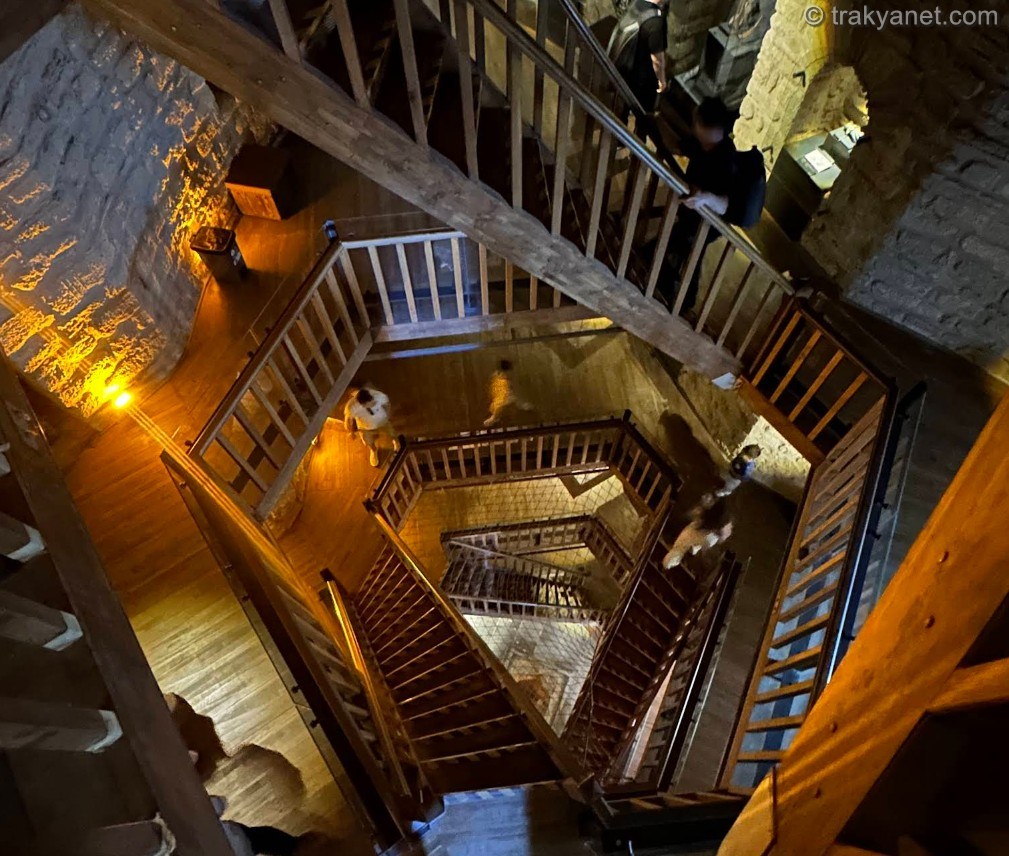
Located in the center of Kilitbahir Castle, the Inner Tower has a triangular plan and is the last structure used in defense. Consisting of 7 floors, the Tower was used for shelter and storage. There is also a triangular cistern located beneath the entrance. The first floor is accessed via a stone staircase. The staircases connecting the other floors are constructed of wood. Toilets and fireplaces are located on the same axis on each floor. The large arched openings on the floors have been transformed into narrow vent windows on the exterior of the tower. The tower, which is 27 meters high, is entered from the courtyard on the east side through a low-arched doorway. The top of the tower is covered with a triangular cross vault of brick. Although a section of the Inner Tower was destroyed during the Gallipoli Campaign in 1915, it has survived to the present day in its original form as a result of restoration carried out in the 1960s.
Visitors in the Inner Tower can see the following in order:
- On the ground floor, they can learn about the construction of the castle and the repairs and additions it underwent over the years, and see period engravings and coins.
- On the defense floor, they can learn about the defenses of castles and see artifacts related to defense.
- On the food and drink floor, they can see reenactments and artifacts related to the food and drink culture of the period.
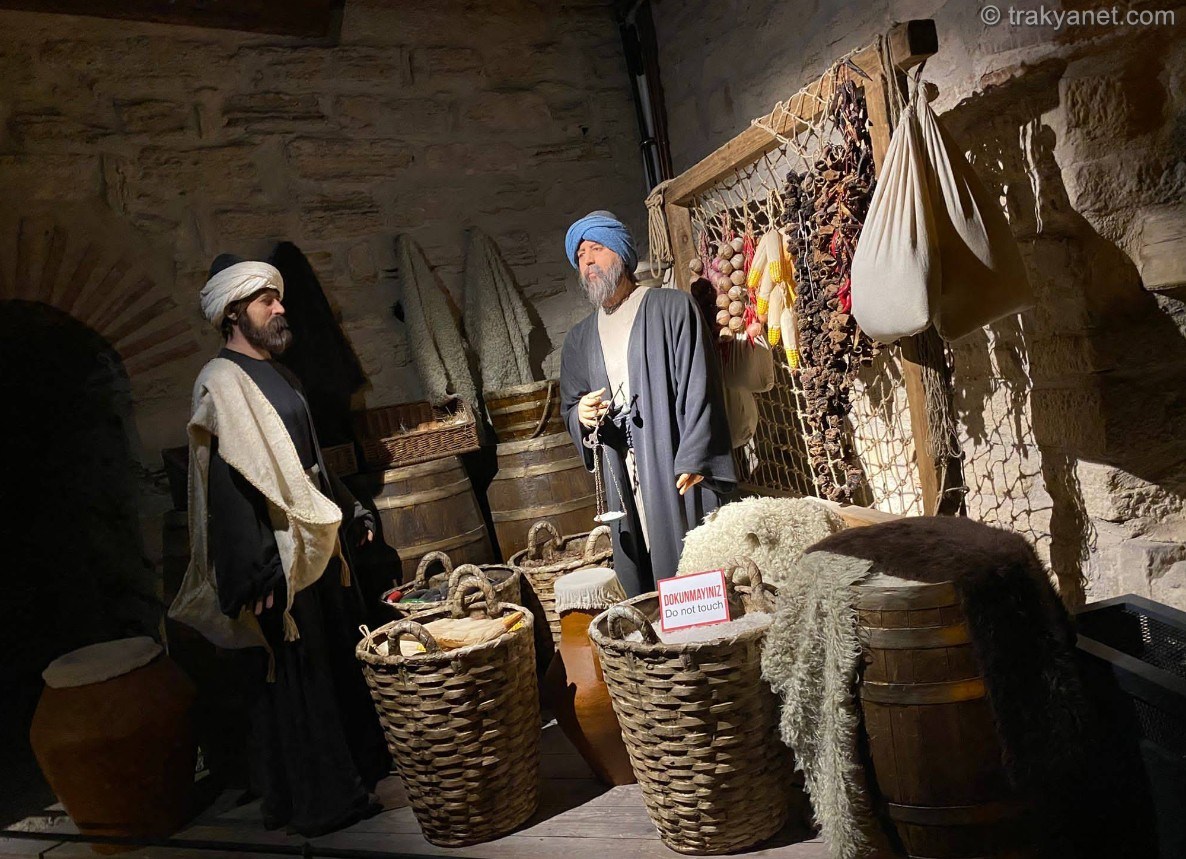
- On the trade floor, they can see reenactments and artifacts related to the trade life that developed around Kilitbahir Castle.
- On the worship floor, they can see reenactments of those who worshipped within the castle and related artifacts.
- On the excavation floor, they can see artifacts unearthed during archaeological excavations carried out during exhibition and display works.