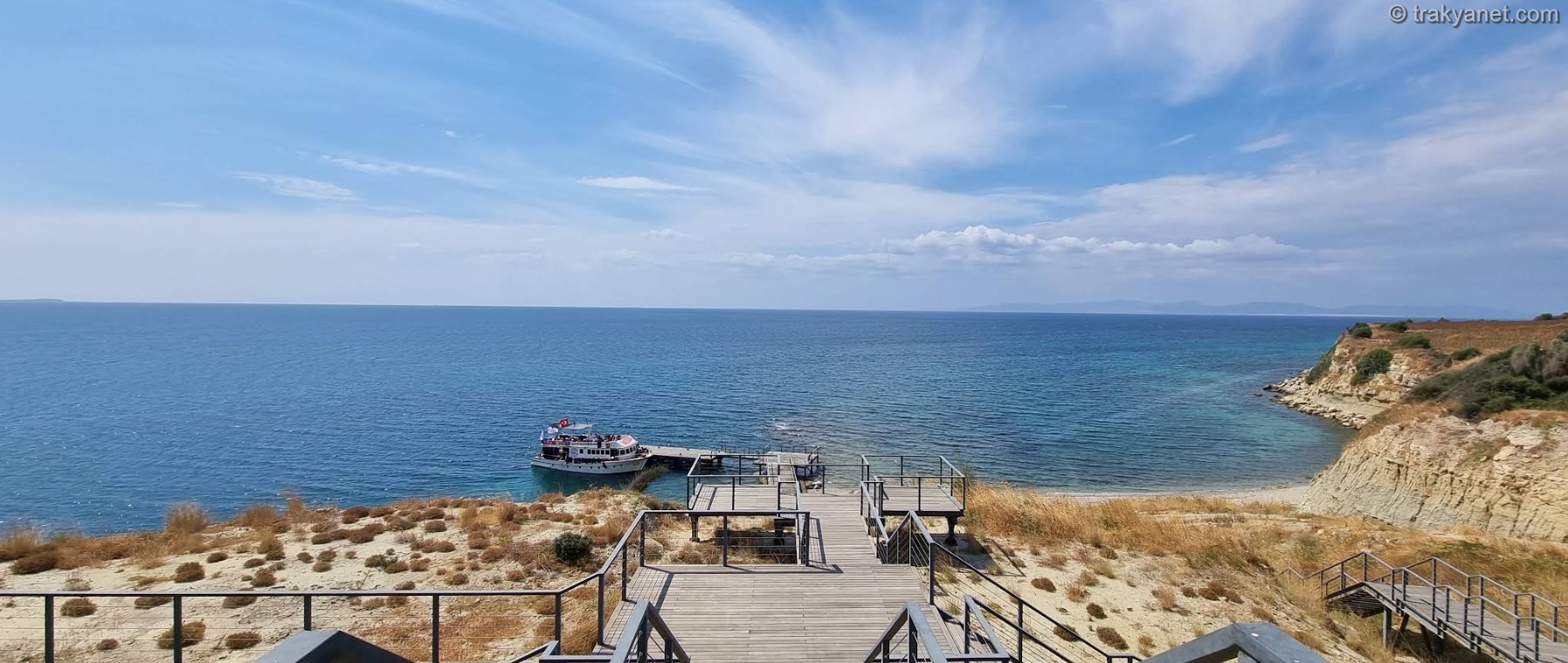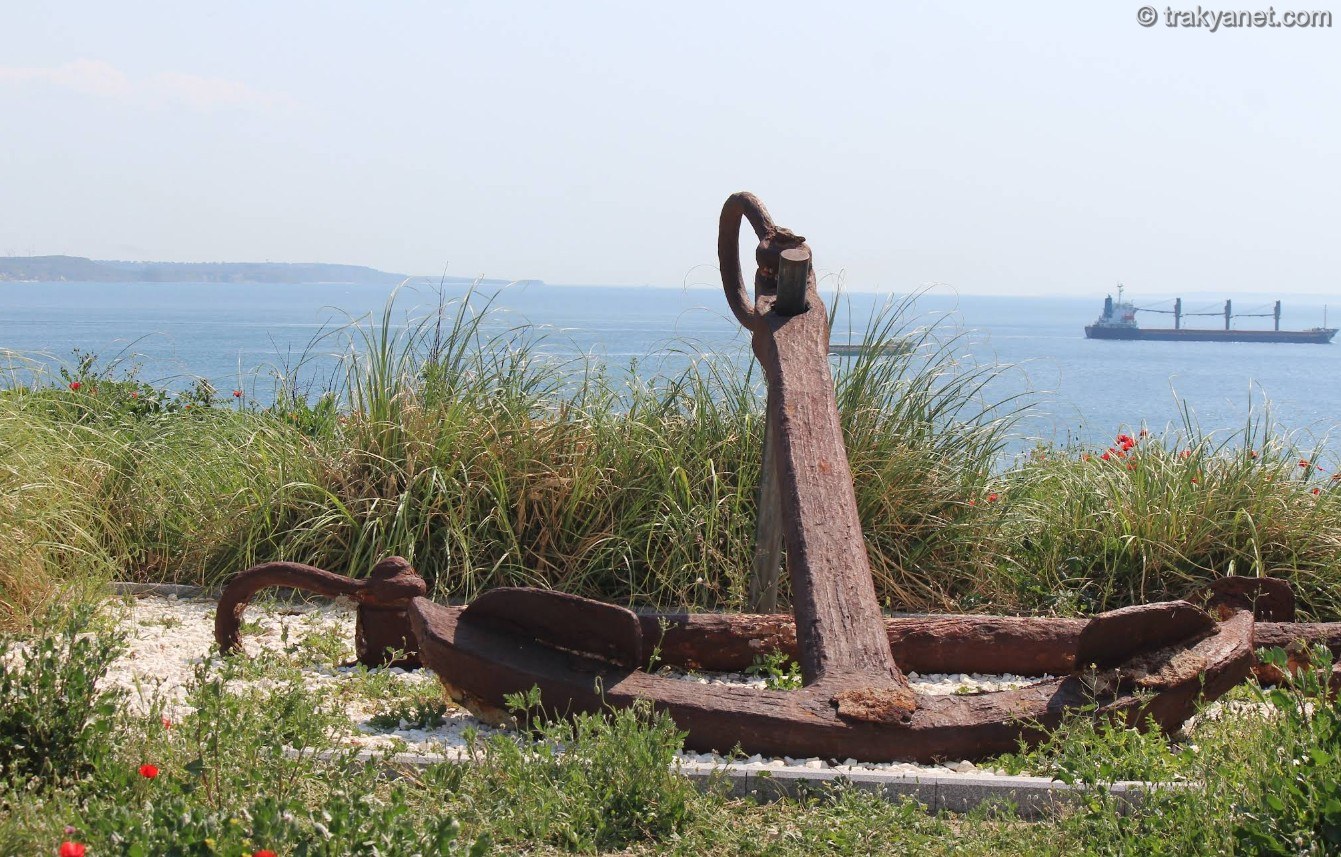

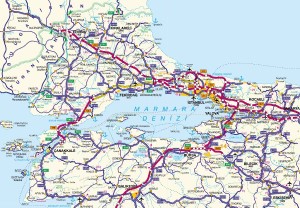
The Gallipoli Historical Underwater Park Project is a project launched to raise awareness about the Gallipoli Campaign. To this end, historically significant shipwrecks from World War I have been identified in the Dardanelles Strait and the Aegean Sea using the latest digital techniques. The project is an ongoing underwater archaeological research project aimed at helping to preserve these Gallipoli war wrecks for future generations.
Underwater Park
The Canakkale Wars Gallipoli Historical Area Directorate was established in 2014 to protect the area where the Canakkale Wars took place, to increase awareness of the Canakkale Wars, and to pass it on to future generations. It is included in the UNESCO World Heritage Tentative List as the world's best-preserved battlefield. In addition to preserving the traces of the war on land, a project that began in 2017 aims to identify and preserve the ships sunk during the Canakkale Wars, and to open them to visitors.
When Canakkale is mentioned, the first thing that comes to mind is the epic battle that took place on land on the Gallipoli Peninsula during World War I. However, one of the most important naval events of World War I also took place in Canakkale, yet it is not known by many. Most people cannot access these underwater war memorials, which are a cultural heritage site frozen in time and located at different depths of the sea, reflecting the full intensity of the battle.
The Presidency is creating 3D maps and 3D applications showing how the war wrecks sit on the seabed so that everyone, not just those with diving opportunities, can understand what lies beneath the sea.
Although the Gallipoli Campaign is widely known, the ships sunk in the war and their stories are not widely known except by those who have the opportunity to dive with special permits. In addition to diving in the World War I themed underwater park, which tells the stories of the war wrecks and what happened in Gallipoli, visitors can also see three-dimensional views of the wrecks along with their narratives. For these reasons, the "Gallipoli Historical Underwater Park Project" is positioned as one of the most important diving centers in the world.
The war wrecks, with their historical significance and the stories they tell – stories rooted in technology and human effort – not only offer a unique wreck diving experience but also transport divers back 106 years to the height of the war's intensity at 14 different dive sites, including 12 war wrecks and 2 natural reefs.
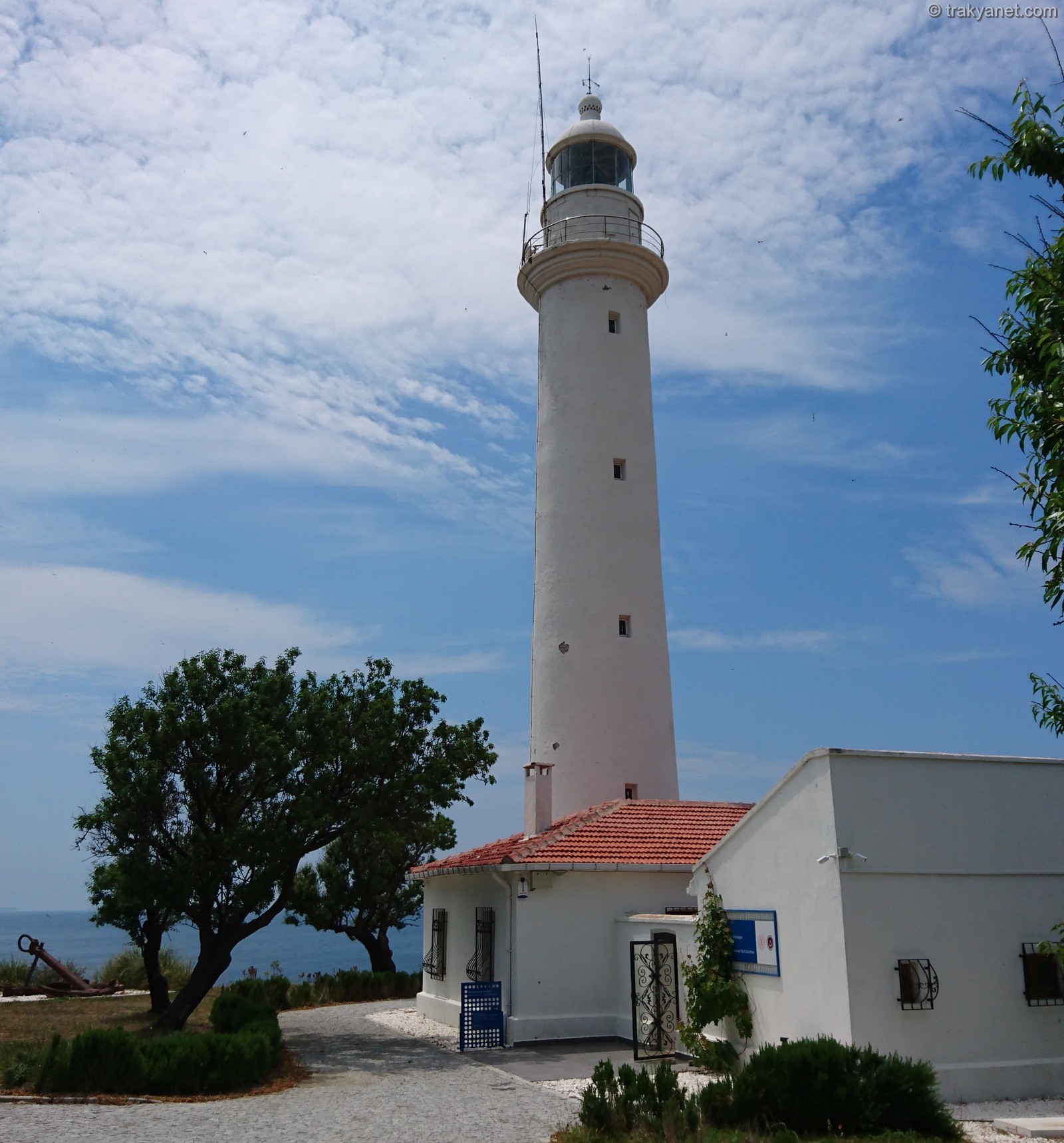
Mehmetcik Lantern
Built in 1856 by the French General Directorate of Lighthouses on a promontory at the southernmost point of the Gallipoli Peninsula to guide military ships after the Crimean War, this lighthouse now houses a small museum.
Photographs taken during the Canakkale battles show the lighthouse in a damaged state, but it is known that it received its final form in 1918 and has been called the Mehmetcik Lighthouse ever since. Located 50 meters above sea level, four rooms of the 60-square-meter accommodation building at the lighthouse serve as exhibition spaces.
The first room contains information about the naval battles that took place during the Gallipoli Campaign, as well as the remains of battleships that have become monuments due to their condition at the points where they sank. It is dedicated to the development of conservation proposals for the HMS Majestic, the shipwreck closest to Seddulbahir, based on a 3D model of its current state, and to the presentation of the Gallipoli Historical Underwater Project, which aims to transform the area into an internationally significant diving center.
The exhibition provides information about bathymetric measurements, oceanographic studies, depth and sonar mapping carried out in 7 sectors within the historical underwater park, which currently covers an area of 150 square kilometers. These measurements are designed to ensure more systematic research and mitigate potential risks during studies.
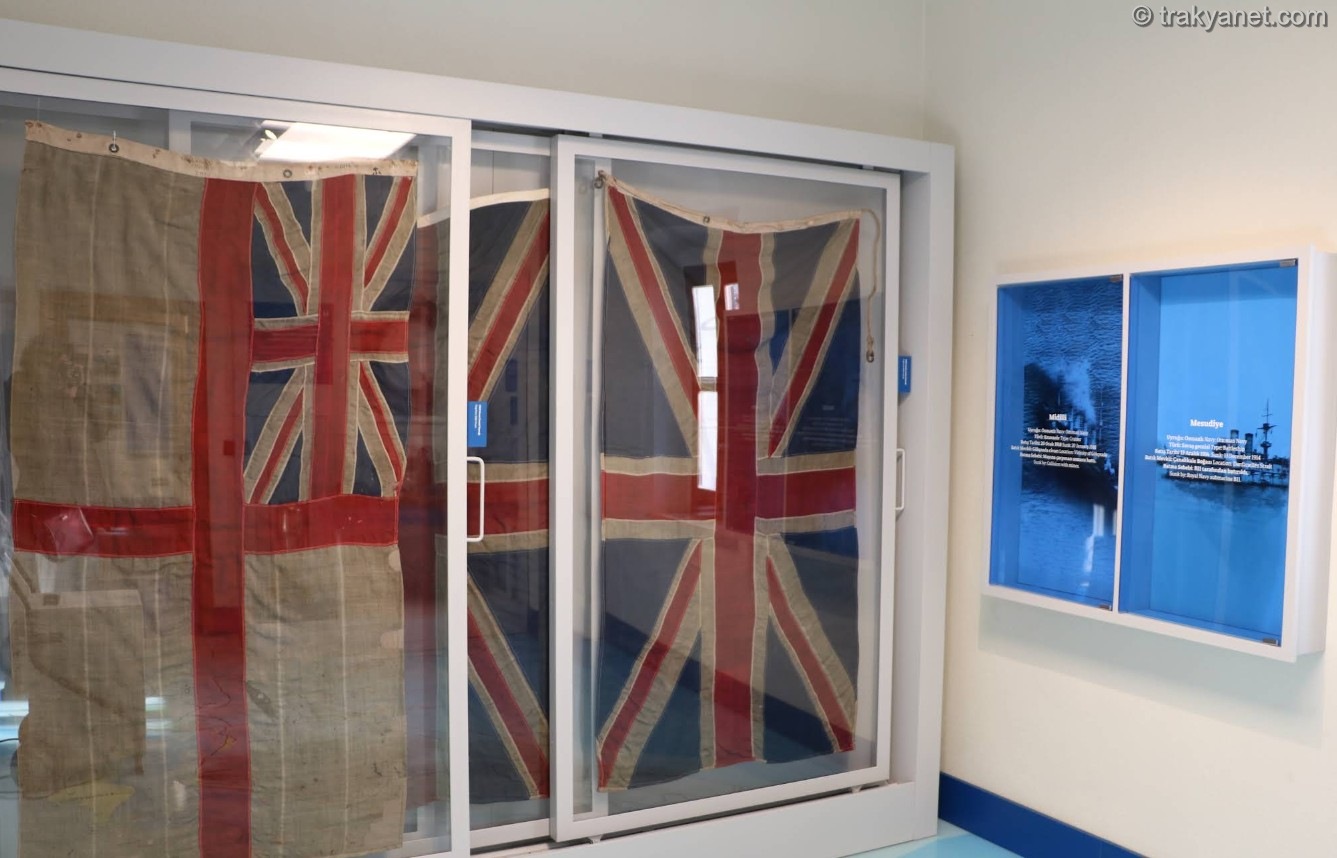
The second room of the museum focuses on the naval battles fought at sea during the Gallipoli Campaign and the naval elements involved. A map placed on the floor, displaying the locations of the shipwrecks, adds visual richness and appeals to the visitors' perceptions. Information cards prepared for each ship sunk or lost during the Gallipoli Naval Battles, along with artifacts donated by the War Museum, serve as valuable contributions to the exhibition, ensuring the lasting impact of the subject matter.
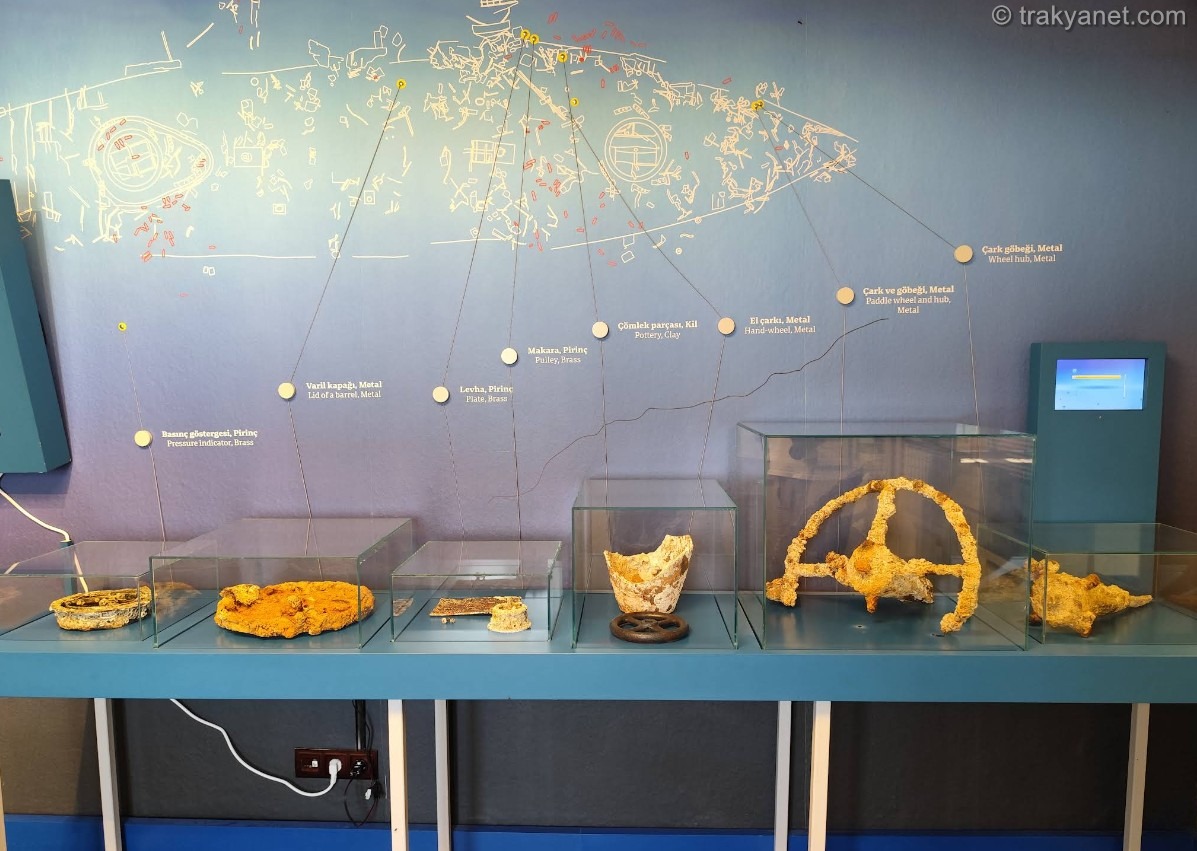
The exhibition's third room is dedicated to information gathered from intensive work on the HMS Majestic wreck, considered the starting point of the project. The presentation of data from foreign archives, alongside images from dives in the 1970s and current research dives, offers an opportunity for evaluation. Artifacts recovered during underwater research in 2020 are displayed on a scaled site plan showing the ship's current condition.
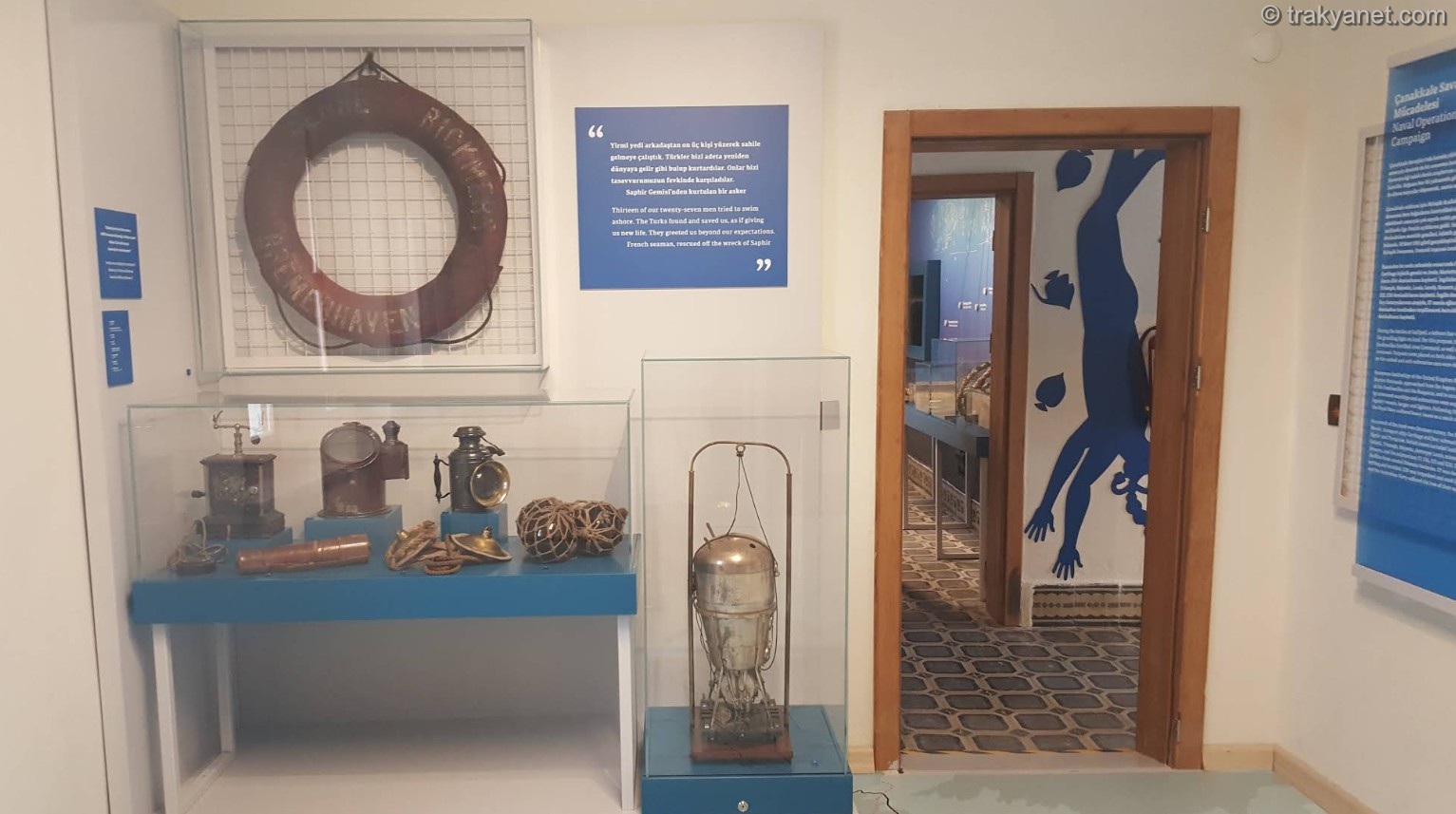
The final room features a presentation of the exploratory dives conducted for the project and the team that participated in these studies, showcasing samples of the underwater fauna and flora identified during the research. Video recordings of the exploratory dives are shared with visitors, while the sounds filling the space give visitors the feeling of diving as if they were a member of the team. The juxtaposition of a diving suit sent from the Harbiye Military Museum Command with an infographic of modern diving equipment highlights the developments of the period.
The Gallipoli Historical Underwater Park Exhibition can be visited free of charge.