




October
Thursday
Eastern Thrace Museums
Select the settlement whose tourist information you want to see
Recently Added
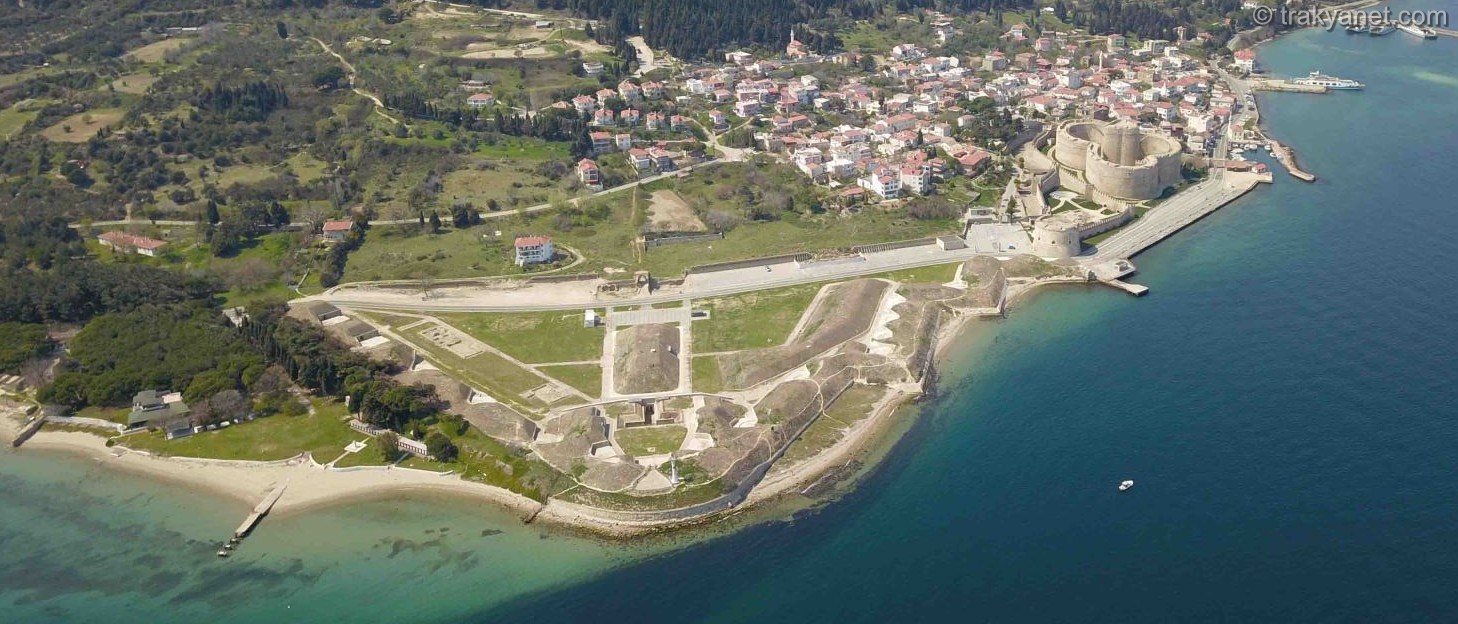
Namazgah Battery is one of the most important defensive structures positioned on either side of the Bosphorus since the time of Sultan Mehmed the Conqueror. Built overlooking the narrowest point of the Bosphorus, it is known that the battery was named after the soldiers who performed their Eid and Friday prayers together in its large courtyard. The structure, which suffered heavy bombardment on March 18, 1915, was restored by the Ministry of Culture and Tourism in 2006. Seeing the traces of the damage caused by cannonballs fired from Allied battleships helps to understand the events of that day. The museum located in the bonnet at the center of the battery details the history of Namazgah Battery, as well as the events before and after the victory won in the Dardanelles on March 18, 1915. War objects and everyday items belonging to soldiers from both sides can be found in the exhibition area.
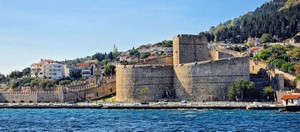
Kilitbahir Fortress Museum
Kilitbahir Castle was built by Sultan Mehmed the Conqueror in 1461 after the conquest of Istanbul to defend the Dardanelles and the city. With the construction of the Kilitu'l-Bahr (Kilitbahir: Key of the Sea) and Kal'a-i Sultaniyye (Cimenlik Castle) castles opposite each other at the narrowest point of the strait, Sultan Mehmed the Conqueror brought all sea passages under control.
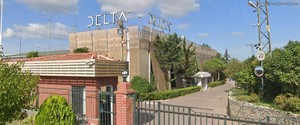
Catalca Technology Museum
Established by the Adem Yilmaz Education and Culture Foundation, the Delta Technology Museum Catalca laid its foundations in Catalca, Istanbul in 2002. The museum's aim is to document the history of technology development in the world over the last 150 years and to showcase current technology.
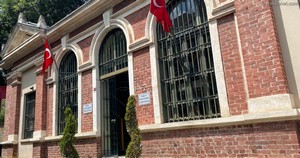
European Capital of Culture Population Exchange Museum
As part of the work of the Istanbul 2010 European Capital of Culture Agency's Directorate of Cultural Heritage and Museums, and in collaboration with the Lausanne Exchange Foundation and Catalca Municipality, Turkiye's first museum on the theme of migration was opened in Catalca on December 20, 2010. The Exchange Museum aims to create spaces and environments that will evoke feelings of longing, sorrow, and joy in the past for the children, grandchildren, relatives, and anyone interested in the exchange of Greek and Turkish citizens, fostering cultural relations. The museum displays clothing, kitchen utensils, written documents, photographs, and all kinds of memorabilia belonging to family members.
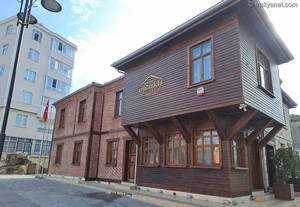
Silivri Population Exchange Museum House
The Silivri Municipality Population Exchange Museum House was built in collaboration with the Istanbul Governorship and Silivri Municipality in Fatih Neighborhood to increase historical awareness of citizens who came to Silivri as a result of the Lausanne Population Exchange and to explain the importance of Silivri in the Republican era.
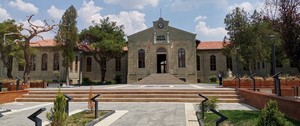
Kesan City Museum
The Kesan City Museum, housed in a historic building that served as a field hospital during the Gallipoli Campaign in 1914, opened its doors to visitors on Monday, March 18, 2024.
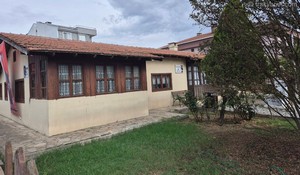
Muratli Ataturk House
The house where Ataturk stayed during his visit to Muratli on June 3, 1936, has been turned into a museum.
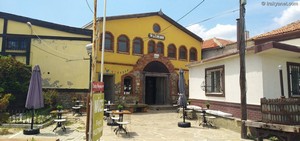
Kutman Wine Museum
It is a private wine museum located in Sarkoy / Murefte. The museum was established in 2004 by Kutman Wines.
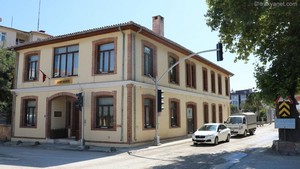
Sarkoy Ethnography Museum
This museum showcases the history, geography, liberation struggle, tourism assets, natural beauty, and folkloric values of Sarkoy through unique documents, reenactments, visual presentations, and models.
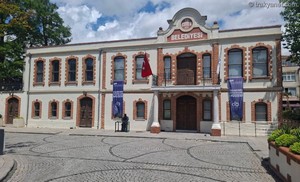
Corlu Yilmaz Buyukersen Wax Sculptures Museum
The Yilmaz Buyukersen Wax Sculpture Museum, featuring wax sculptures created by Eskisehir Metropolitan Municipality Mayor Prof. Dr. Yilmaz Buyukersen, is the first of its kind in Turkiye, following the "Madame Tussauds Museum" which first opened in Eskisehir and now exists in many countries around the world. The second museum is located in Corlu.
Popular Topics
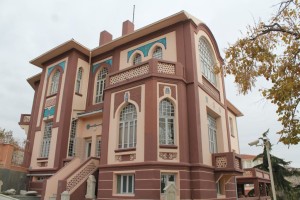
Tekirdag Archaeology and Ethnography Museum
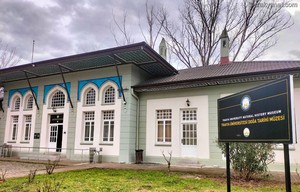
Edirne Natural History Museum
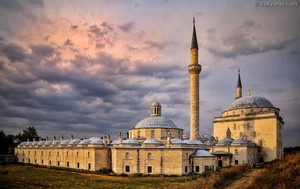
Health Museum of the Sultan Bayezid II Complex
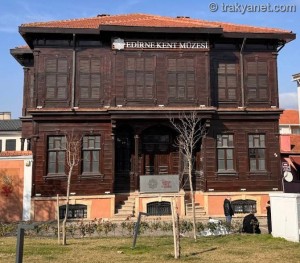
Edirne City Museum
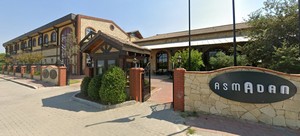
Museum of the History of Viticulture from the Asmadan
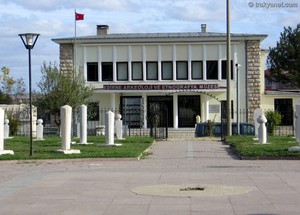
Edirne Archaeology and Ethnography Museum
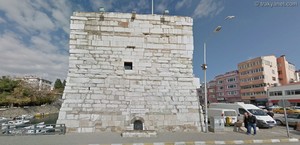
Gelibolu Fortress and Piri Reis Museum
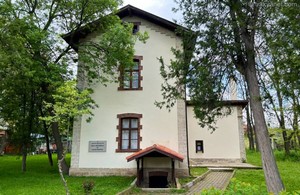
Museum of the National Struggle and Lausanne
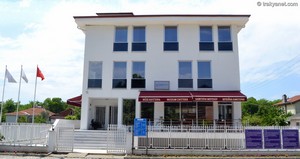
Osman Inci Museum
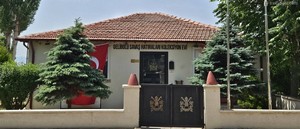
Gallipoli War Museum