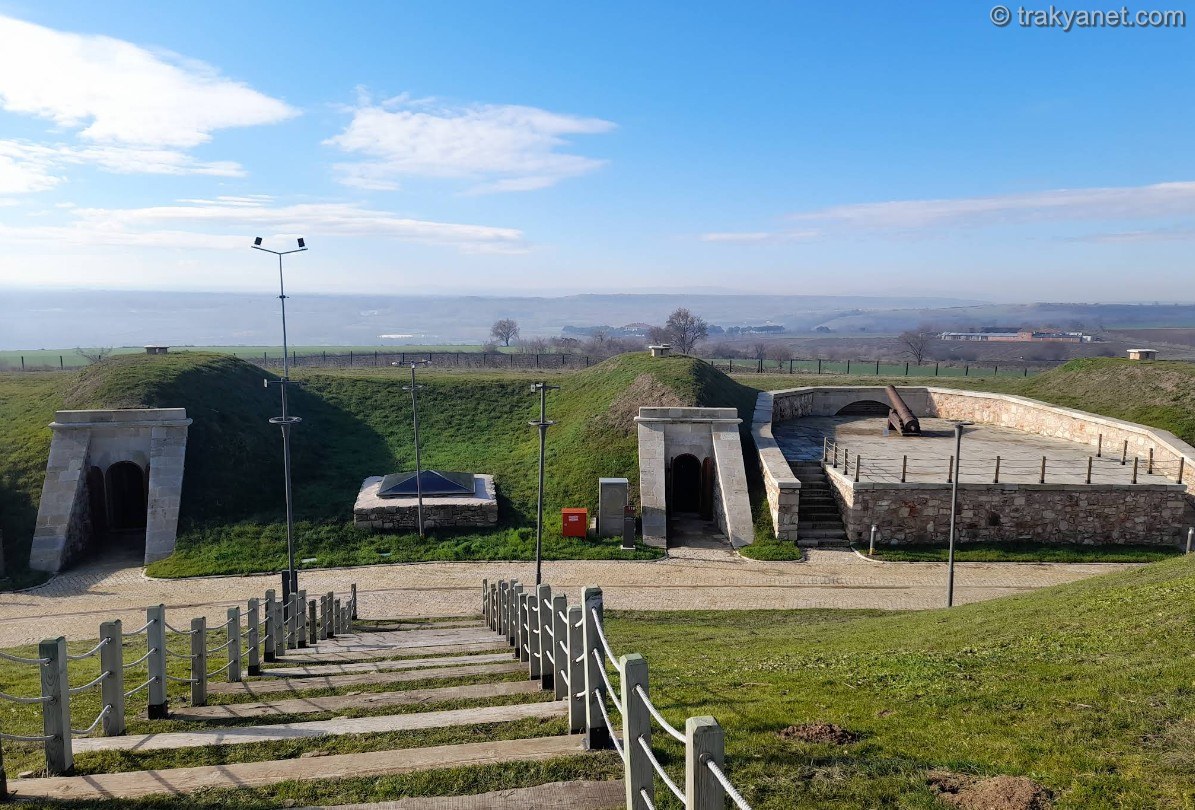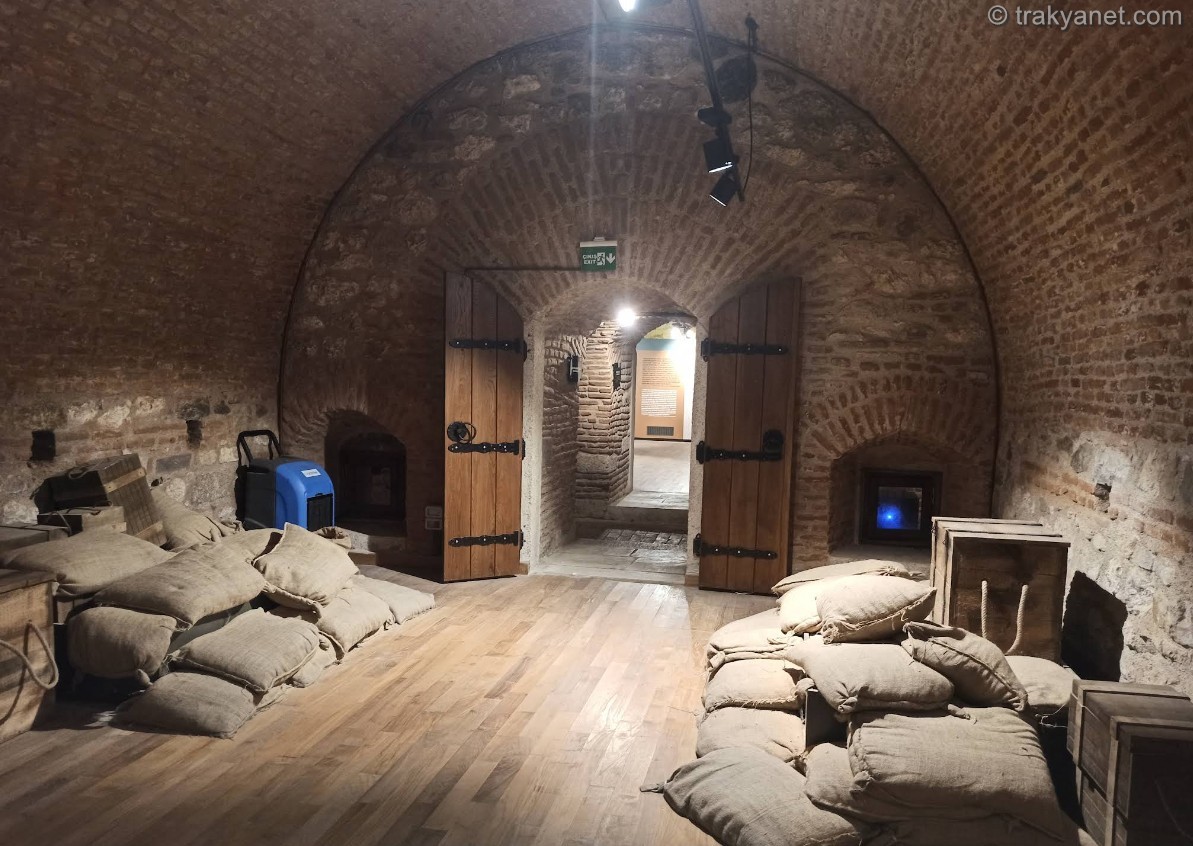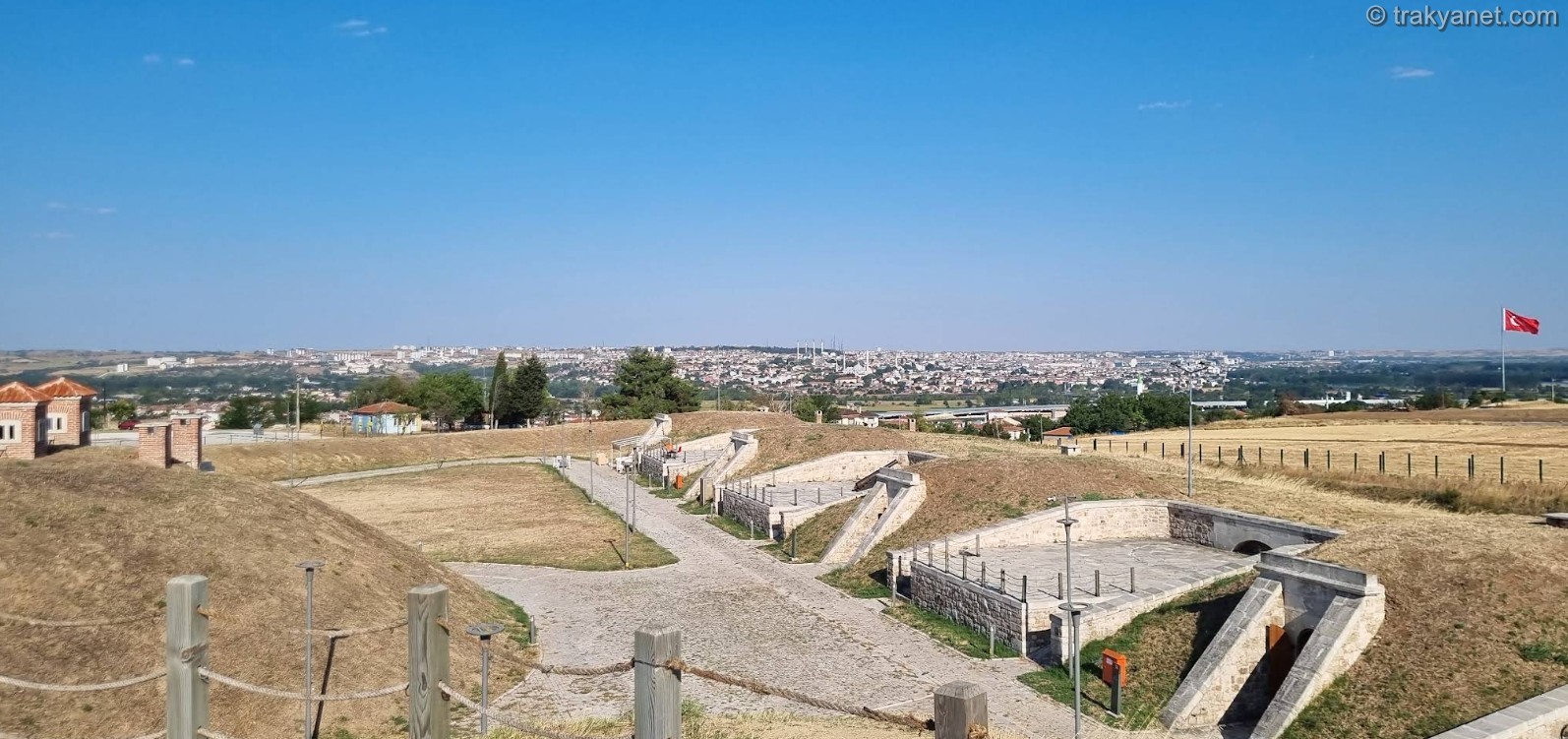


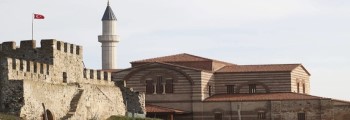





The Hidirlik Fortifications in Edirne contain the headquarters building where an epic resistance was shown against the Bulgarians under the command of Sukru Pasha, 18 artillery rooms, a 120-meter tunnel, and 4 passageways. The fact that enemy armies coming from the Balkans reached the capital Istanbul without encountering serious resistance prompted the Ottoman administration to establish a defense line in Edirne. Consequently, nearly 30 fortifications were built in the city, the largest of which was Hidirlik.
Hidirlik Tabya was built between 1886 and 1888 and served as the headquarters of the famous Edirne defense during the Balkan Wars.
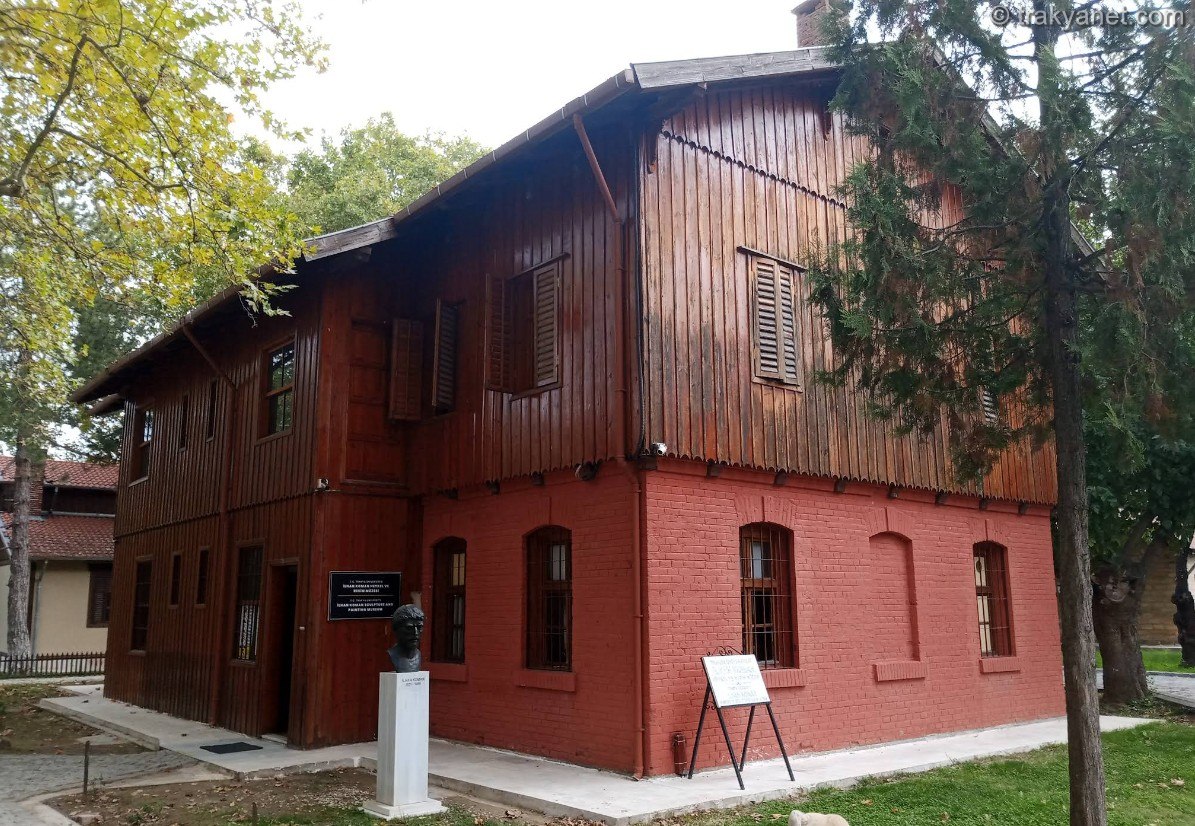
Hidirlik Tabya was a very important position for the defense of Edirne during the Balkan Wars. It is known to have been the headquarters of Sukru Pasha. The tabya, with its layout, architectural structure, and solidity, presents a picture that is in harmony with the strategic importance of the region. It is the largest tabya in the city. The complex consists of a guardhouse, barracks building, artillery rooms, artillery batteries, trench, and courtyard.
Hidirlik Tabya, an important point with its commanding position overlooking Edirne, had its restoration project started in 2009 for the 100th anniversary of the Balkan Wars. The projects were completed with a protocol signed between the Ministry of Culture and Tourism and the Governorship of Edirne. Following the handover of the site, restoration work was started with the joint effort of the Ministry of Culture and Tourism and the Governorship of Edirne. During the restoration work, considering the historical function of the fort, it was decided in meetings coordinated by the Governorship that it would function as the Edirne Balkan History Museum.
During the repairs, the ruined walls and windows of the main headquarters structure were restored to their original state, and the exhibition, appropriate electrical and mechanical installations were integrated to provide current usage conditions for the new museum function.
Along with the restoration work of the fort, museological studies with a scientific committee and the planning of the museum's scenario were carried out simultaneously. Exhibition and arrangement projects for the fort's transformation into a museum, and new landscaping projects to establish its relationship with its surroundings, were also prepared. In the exhibition, an aesthetic, historically memorable, and comprehensive narrative style has been preferred over a chronological one, and the building-museum relationship has been established within this framework.
Based on the idea that a museum telling the story of our history in the Balkans should be established in Edirne, it was decided to give Hidirlik Tabya a function by designing it as a Balkan History Museum, which tells the story of the civilization established by the Ottomans in the Balkans since the 14th century and deals with its historical process. The aim is for Tabya to be not only a place for exhibitions that tell the story of our Balkan past and carry the memory created in the Balkans to the present day, but also a center of science, knowledge and education in the city, and an institution that constantly attracts researchers and visitors.
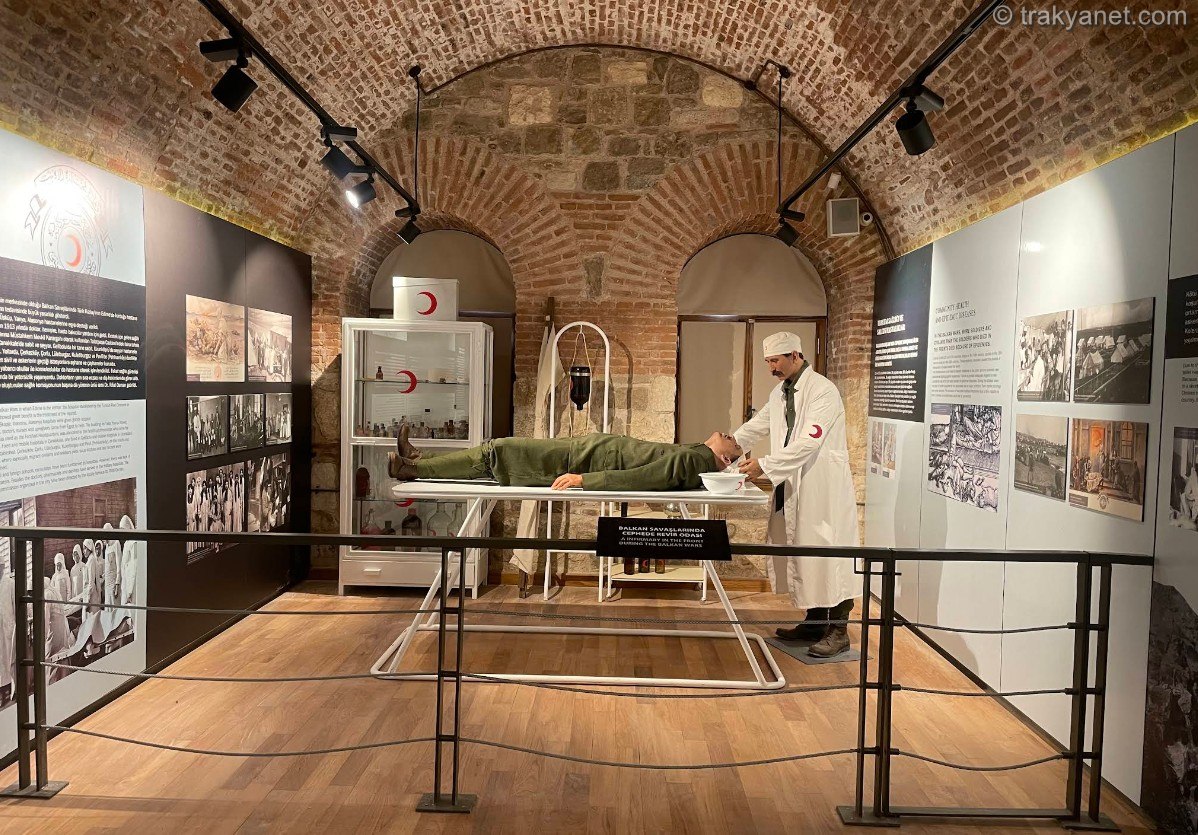
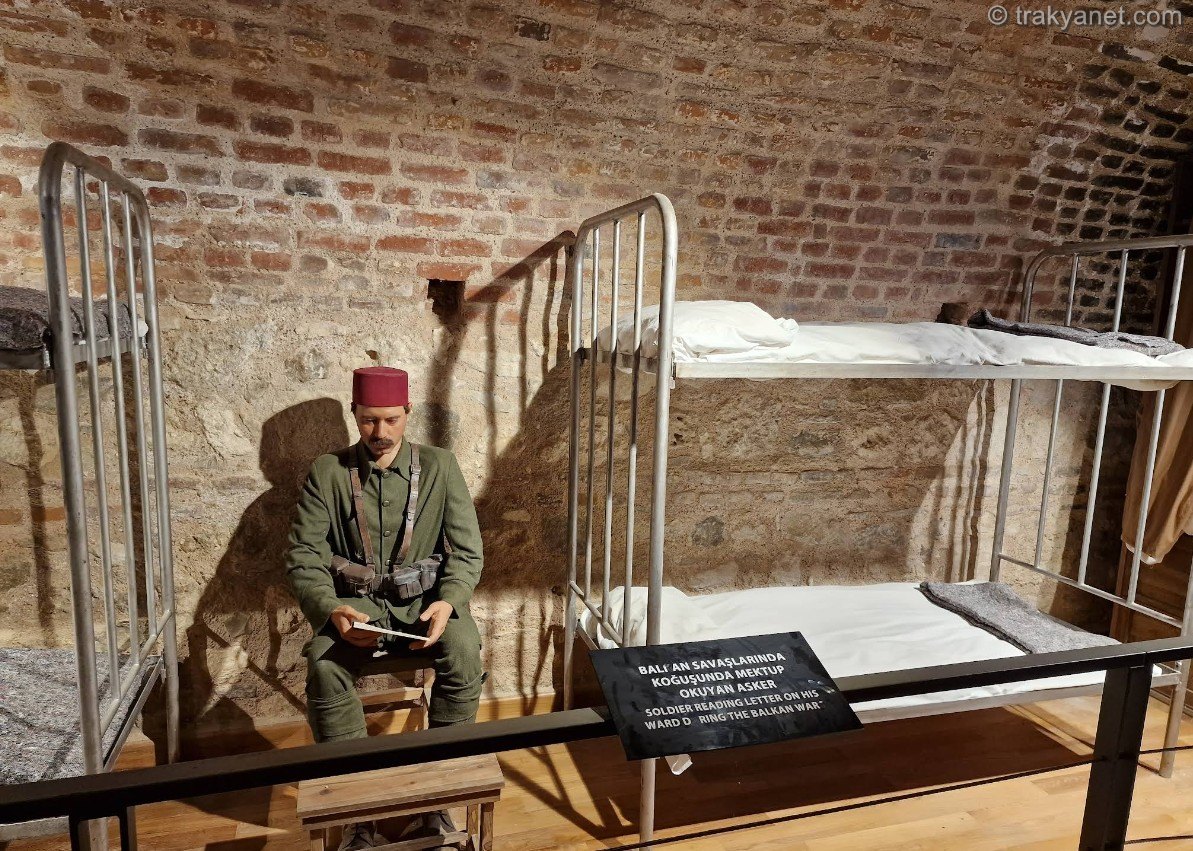
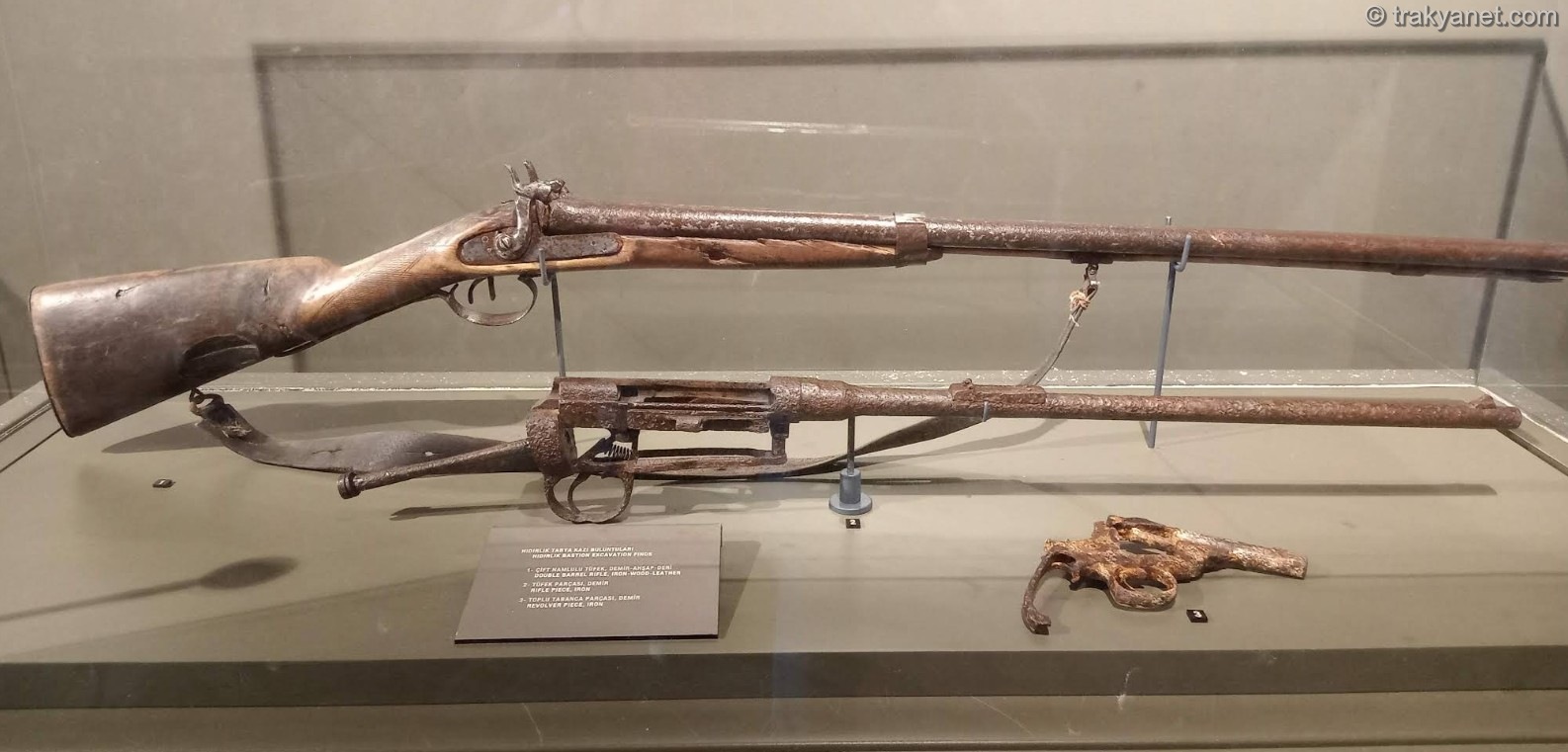
The Tabya, which displays numerous themes such as "The Balkans Under Ottoman Rule", "Ottoman Architecture in the Balkans", "Edirne, the Capital of the Balkans", "Pax Ottomana - Ottoman Peace", "The First Sparks", "The Balkan Wars", "The Siege of Edirne", "War Diaries", "Migration, Being a Refugee", as well as the restoration process and the findings that emerged during this process, has been organized as a museum through the design and production of showcases and digital applications as a result of multifaceted and comprehensive studies. Additionally, a reception and ticketing unit, parking lot, rest area, and toilets have been added to the area and its entrance.
Hidirlik Tabya Balkan History Museum, affiliated with the Ministry of Culture and Tourism, hosts visitors.