
September
Friday
Eastern Thrace Museums
Province: Canakkale
Recently Added
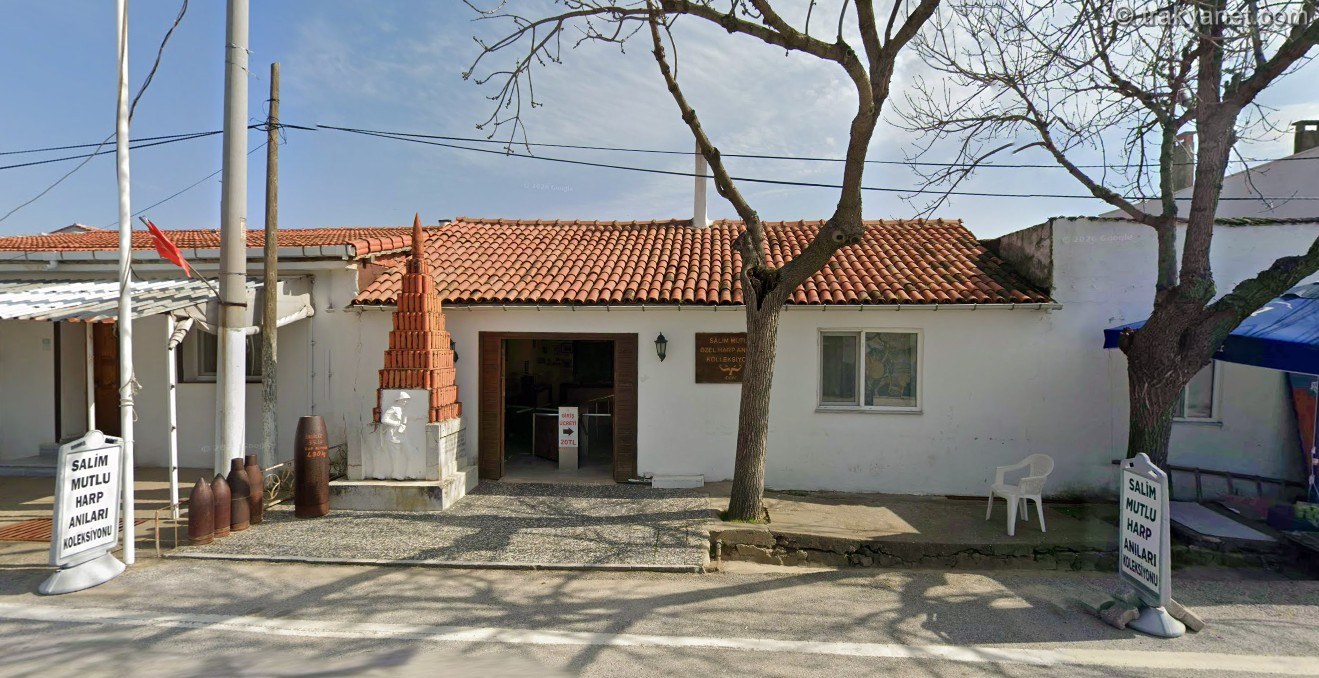
Located on the left side at the entrance to Alcitepe, this museum is the oldest and most comprehensive museum in the region. Salim Mutlu, the son of an immigrant family, began collecting objects related to the war in the fields and surrounding villages while working as a grocer. Over time, he transformed this passion into a museum in a corner of his grocery store and later in his home.
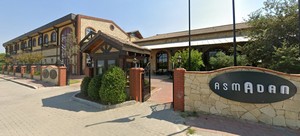
Museum of the History of Viticulture from the Asmadan
The museum was established to tell the history of the grapevine in these lands, a plant that best teaches humanity that civilization should not dominate nature, but rather live in harmony with it and respect it.
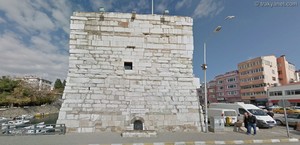
Gelibolu Fortress and Piri Reis Museum
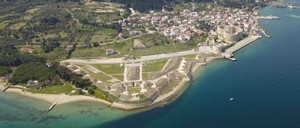
The Gallipoli Castle, whose ruins can be seen on the coast today, was built in 711 to protect Gallipoli during the Arab raids that lasted from 681 to 717 in the Byzantine period. It was later repaired during the Ottoman period. It houses the Piri Reis Museum. The museum contains busts, paintings, and maps depicting the famous navigator, who is known to have been from Gallipoli.
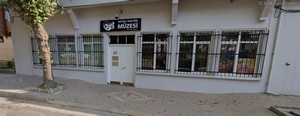
Antique Tractor Museum
Established on August 18, 2014, by businessman Dursun Keskin in memory of his son Reha Keskin, it is Turkiye's first antique tractor museum.
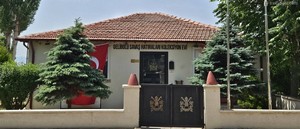
Gallipoli War Museum
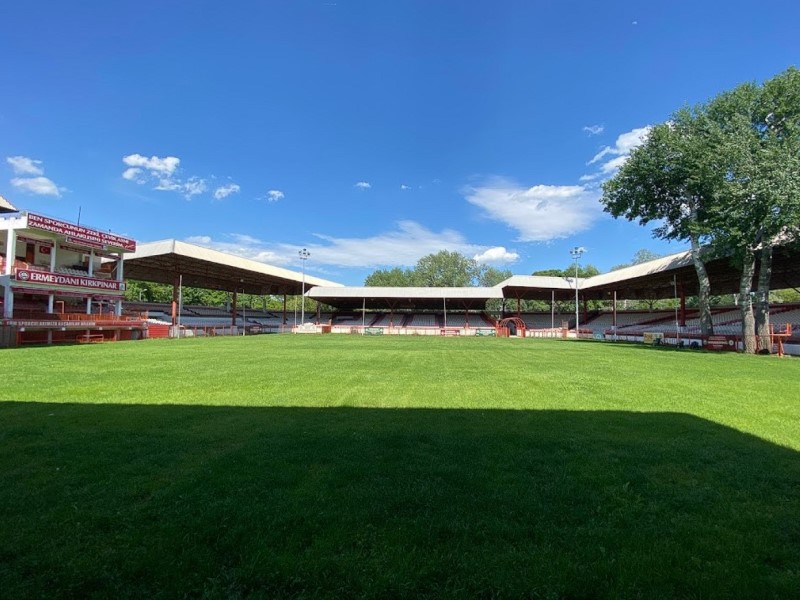
Originally used as a military recruitment office and later as the clubhouse of a local sports club, the building was restored and opened as a museum on June 16, 2007. It is a private museum founded by Onur Akmanlar and Murat Soylemez.
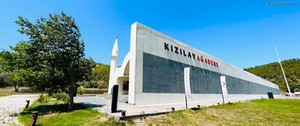
Kizilay Agadere Museum
The Agadere Wounded Soldiers' Hospital area, located on the historic Gallipoli Peninsula, is now being re-designed as a museum by the Turkish Red Crescent, allowing visitors to learn about the conditions behind the front lines of the war.
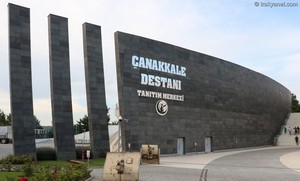
Canakkale Epic Promotion Center
Opened on June 7, 2012, at Kabatepe Port, the center aims to contribute to the development of the spirit of Canakkale (Gallipoli). Spanning 8,600 m², the center comprises 11 separate screening halls, a two-story War Materials Exhibition Hall, and technical infrastructure units. It presents significant moments of the Çanakkale Battles to visitors using advanced simulation techniques. Tickets are required for the 60-minute screenings in the 11 different halls. Each screening is limited to a maximum of 50 people. Visitors are advised to make reservations in advance to ensure available screenings. There is an entrance fee.
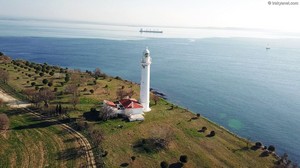
Mehmetcik Lighthouse and Gallipoli Historical Underwater Park
The Gallipoli Historical Underwater Park Project is a project launched to raise awareness about the Gallipoli Campaign. To this end, historically significant shipwrecks from World War I have been identified in the Dardanelles Strait and the Aegean Sea using the latest digital techniques. The project is an ongoing underwater archaeological research project aimed at helping to preserve these Gallipoli war wrecks for future generations.
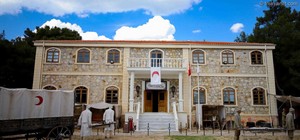
Canakkale 1915 Hilali Ahmer Hospital Reconstruction Area
The Alcitepe 1915 Trench and Red Crescent Hospital Reenactment Area allows visitors to experience the painful realities of war with details that make them feel as if they were right there. Through realistic visual displays with sound, it takes visitors on a journey back to 1915, offering an unparalleled experience, depicting events both on the front lines and behind the lines with complete realism.
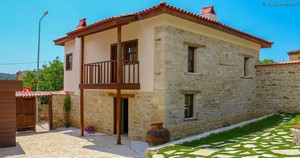
Bigali Ataturk House and Museum
Located 4.5 km north of Eceabat, on the southern slopes of Tasli Tepe, the village of Bigali and its surroundings, also known as "Camyayla" and "Bogali," served as the headquarters of the 19th Division in April 1915. The house where Mustafa Kemal Ataturk stayed as a guest during this time, later known as the "Ataturk House and Museum," has become one of the important tourist attractions in the Historical Area.
Popular Topics
Museum of the History of Viticulture from the Asmadan
Gelibolu Fortress and Piri Reis Museum
Antique Tractor Museum
Gallipoli War Museum
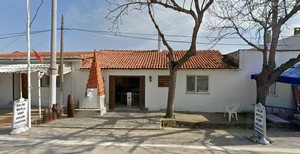
Alcitepe Salim Mutlu Museum
Canakkale Epic Promotion Center
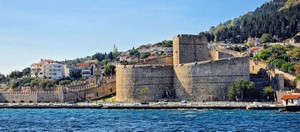
Kilitbahir Fortress Museum
Namazgah Bastion Museum
Kizilay Agadere Museum
Bigali Ataturk House and Museum